
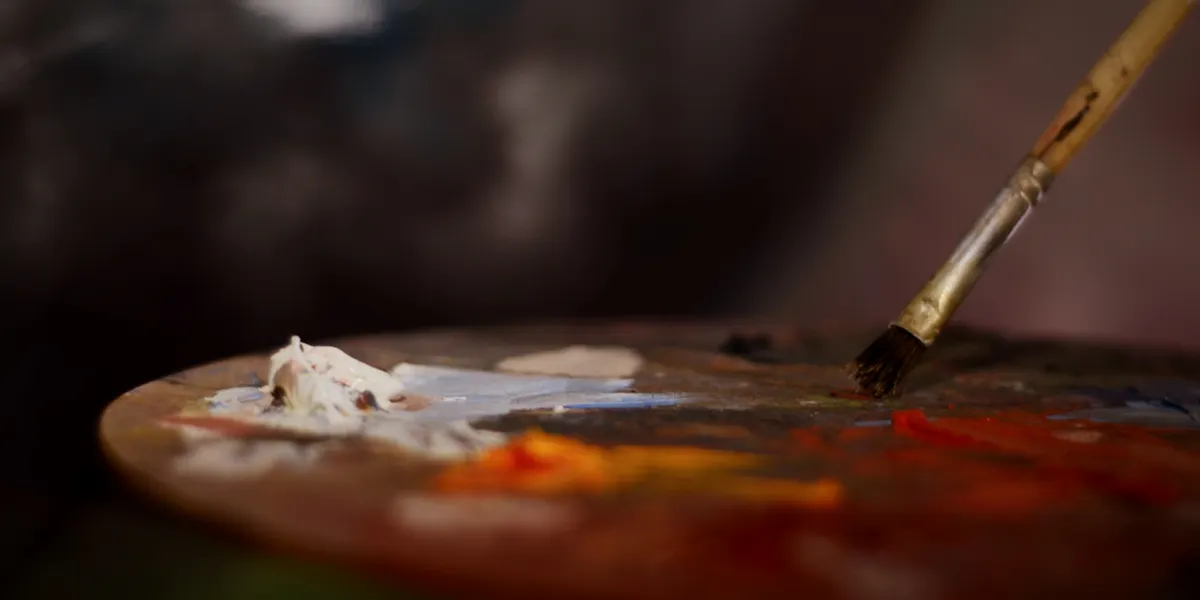
An acrylic wash dries in minutes, and whatever it does in those minutes is what you keep. An oil wash stays wet for an hour or more. You flood it over the model, let it settle into the recesses, then wipe it off the raised surfaces with a clean brush or a cotton bud, and if you do not like the result you wipe it all off and start again. That control is why tank and vehicle painters have used oils for decades, and why more miniature painters now do too.
The oil paints, enamel washes and thinners below are the ones most painters start with, with prices from the shops we track in your market:
AK Interactive
AK Interactive
AK Interactive
AK Interactive
AK Interactive
Few shops we track in this market sell oil paints or enamel washes for miniatures yet, so some products above may not appear. AK's enamel effects (Streaking Grime, Rust Streaks, Dust Effects) are the most widely sold. The acrylic washes guide covers the alternatives sold here.
Oils, enamels and acrylic washes: the difference
Acrylic washes (Citadel Shades, Army Painter washes, Vallejo washes) are water-based. They dry fast and hard, are safe at the kitchen table, and are what most painters use. Their weakness is tide marks and coffee stains: once they start to dry, you cannot move them.
Oil washes are artist's oil paint (or a hobby oil such as AK's Abteilung 502 range) thinned with odourless mineral spirit. They dry slowly, so you have time to place them, blend them and wipe them back. They leave a soft, natural shadow without hard edges.
Enamel washes are solvent-based (how enamel compares with acrylic and lacquer) and sold ready to use, as panel-line washes, streaking grime, rust and dust effects. They behave like oils: slow, wipeable, solvent-thinned.
The key rule for both oils and enamels: they must go over a gloss varnish. On a matt surface the solvent soaks into the acrylic paint and stains it; on gloss, the wash flows into the recesses and wipes clean off the raised areas. The solvent can also soften acrylic paint that has not cured, so varnish first and let it dry.
What you need
- Oil paint or an enamel wash. A tube of artist's Burnt Umber or Lamp Black goes a long way. Hobby oils such as AK's Abteilung 502 come in small tubes in model-friendly colours.
- Odourless thinner (odourless mineral spirit). Not white spirit from a DIY store, which is harsher and smells strongly; and never anything labelled turpentine near plastic.
- A gloss varnish. See the varnish guide.
- A palette you can throw away (card or a glazed tile), a cheap brush, and cotton buds or a clean flat brush to wipe back.
- Ventilation. Odourless thinner still gives off fumes. Open a window.
How to oil wash a miniature, step by step
- Paint the model and let it cure fully, at least overnight.
- Gloss varnish it. Brush or spray, then let the varnish dry completely.
- Mix the wash. A small dab of oil paint on the palette, and thinner added a drop at a time until it flows like an ink. Enamel washes are ready to use; shake well.
- Flood it on. Brush it over the whole area, or point it into the recesses and panel lines only.
- Wait ten to twenty minutes, so the wash starts to set in the recesses.
- Wipe back the raised areas with a clean brush dampened in thinner, or a cotton bud, moving in one direction (top to bottom on vertical surfaces gives a natural streak).
- Let it dry fully. Oils can take a day or more to dry hard. Do not varnish over it until then.
- Matt varnish at the end to remove the gloss.
Where oils work best
- Vehicles and armour panels. Panel lines, rivets, hatches. The wipe-back leaves clean, flat panels and dark lines, which acrylic washes struggle to do on large smooth areas.
- Streaks and grime. Streaking grime and rust streaks pulled down a tank's side with a damp brush.
- Metallics. An oil wash over a metallic, wiped back, gives a soft, dirty steel with no tide marks.
- Bone, cloth and skin. A thin oil wash gives a smooth shade without the edges an acrylic wash leaves on a flat surface.
AK Interactive
AK Interactive
AK Interactive
AK Interactive
AK Interactive
Common mistakes and fixes
- Washing over matt paint. The wash stains the paint and will not wipe back. Gloss varnish first, every time.
- Too much thinner. A wash that is very thin spreads everywhere, including into the acrylic underneath. Keep it the consistency of ink.
- Wiping too soon. Wait until the wash has started to set in the recesses, or you wipe it out of them too.
- Varnishing too early. Matt varnish over oils that are still soft can crack or cloud. Give it a full day.
- Using DIY solvents. Strong solvents can melt plastic and strip acrylic. Use an odourless thinner sold for model making.
Questions people ask
Can you use oil paint on miniatures? Yes, as a wash or a glaze over acrylic paint that has been gloss varnished. Most painters use oils for shading and weathering, not for base coats.
What do I thin oil washes with? Odourless mineral spirit, sold as odourless thinner by AK, Mig Ammo and art suppliers.
Do I need to varnish before an oil wash? Yes. A gloss varnish keeps the solvent off the acrylic and lets the wash wipe back cleanly.
How long do oil washes take to dry? Hours to touch, often a day or more to dry hard, depending on how thin the wash is and how warm the room is.
Is an enamel wash the same as an oil wash? They behave the same way (slow drying, solvent-thinned, wipeable over gloss), but enamel washes come ready mixed in a bottle.
Oil and enamel washes
One tube of a dark oil and a bottle of odourless thinner is enough to start.
We earn a small commission from qualifying purchases at no extra cost to you.