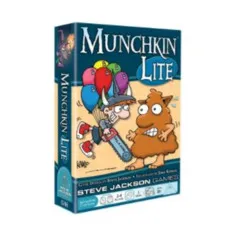
- 3-4 players
- 60 min
- Age 10+
- Easy 2/5
Easy: the core Munchkin loop with fewer cards to learn; one game is enough to teach it.
Base game · 2 shops in the US
 HobbySupermarket
Tell us how many will play, how long you have, how heavy a game you want and how old the youngest player is, and we list the board games that fit, with today's price at the shops we track in your country.
155 games fit any table
Best fit first: a game whose longest stated play time fits your time, at the exact complexity you picked, comes before one that can run long or is a step lighter or heavier. Then the games the most shops sell in your country, then the cheapest.
294 more games sold here have no facts yet, so they are left out rather than guessed at. Browse every one on the board games hub.
Easy: the core Munchkin loop with fewer cards to learn; one game is enough to teach it.
Base game · 2 shops in the US
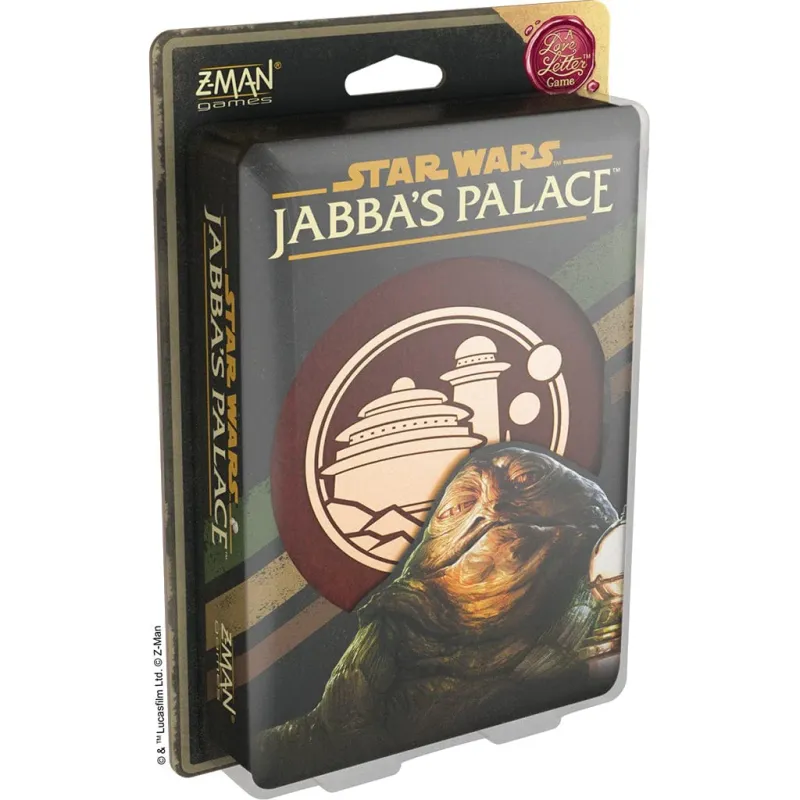
Light: one decision a turn, with agenda cards as the only addition.
Base game · 2 shops in the US
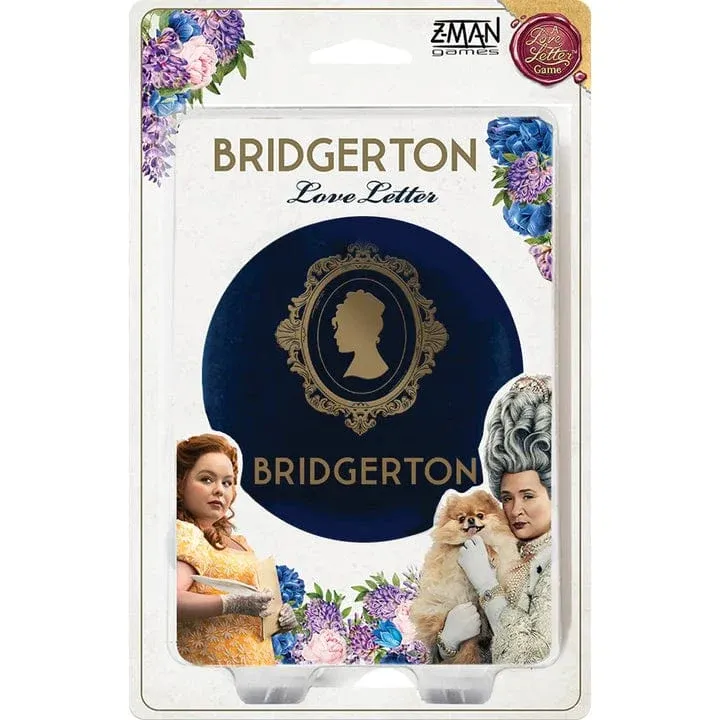
Light: the Love Letter turn of one choice from two cards.
Base game · 2 shops in the US
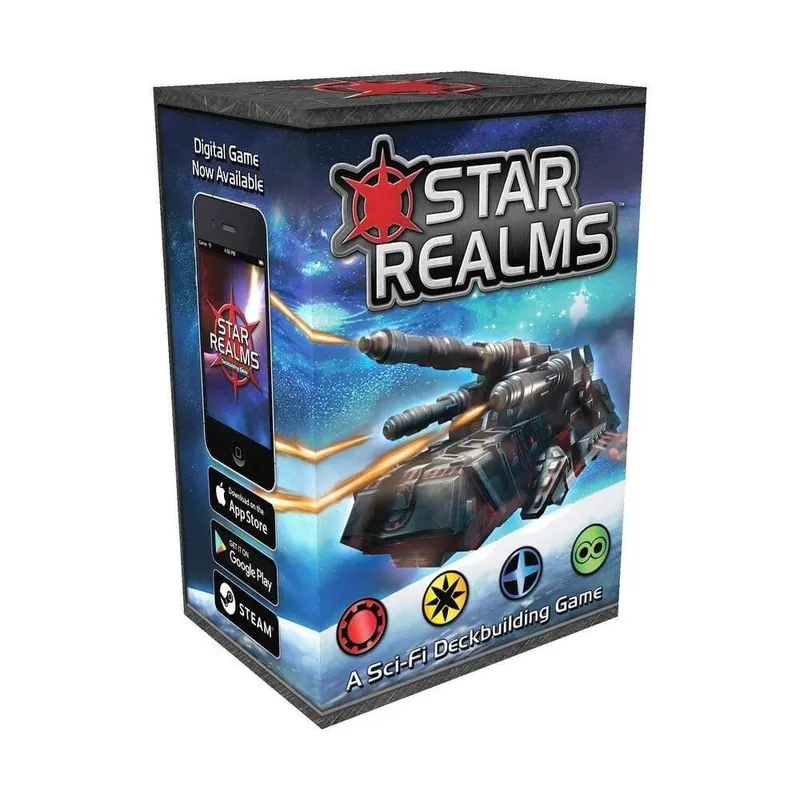
Medium: buying, faction ally bonuses, bases and outposts and combat are separate systems to track, though each turn is quick.
Base game · 2 shops in the US
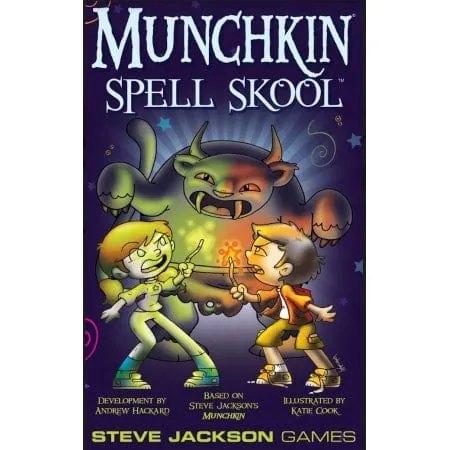
Easy: the core Munchkin loop in a smaller deck; one game is enough to teach it.
Base game · 2 shops in the US
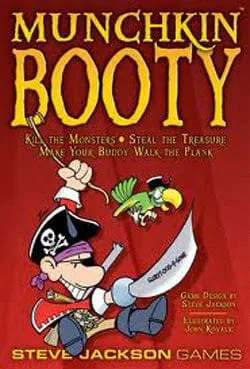
Easy: one loop (open a door, fight or run, take the loot) taught in one go; the cards add the jokes and the table talk adds the scheming.
Base game · 2 shops in the US
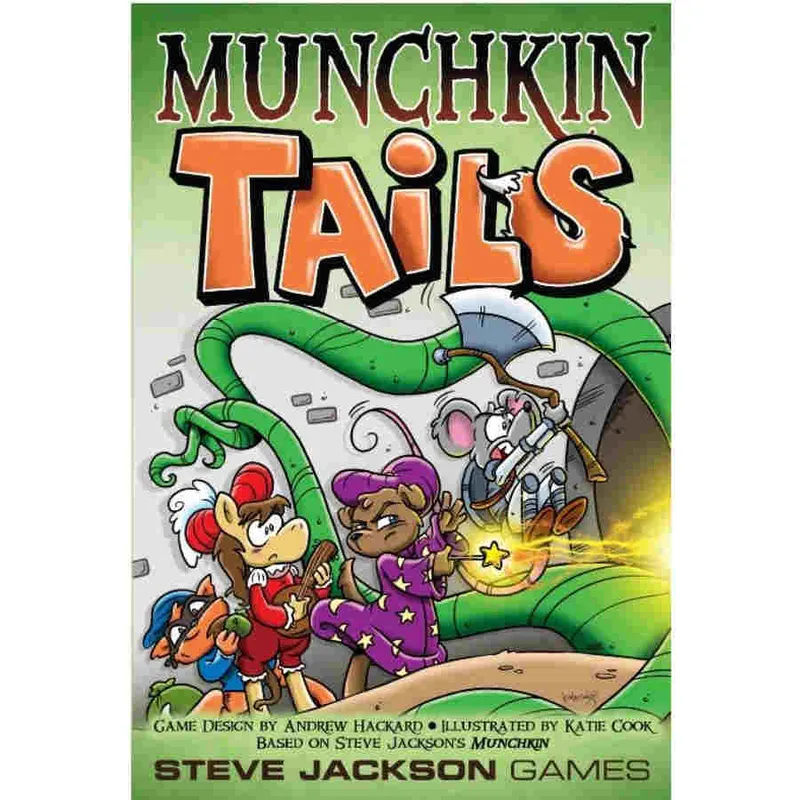
Easy: one loop (open a door, fight or run, take the loot) taught in one go; the cards add the jokes and the table talk adds the scheming.
Base game · 2 shops in the US
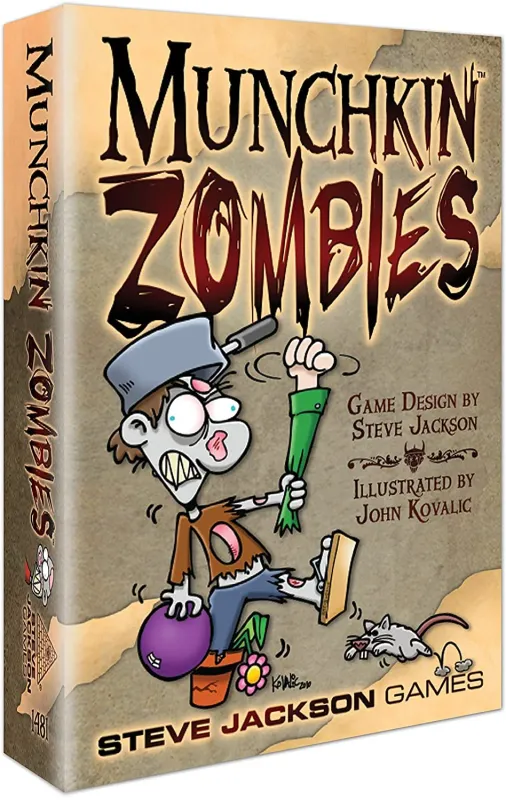
Easy: one loop (open a door, fight or run, take the loot) taught in one go; the cards add the jokes and the table talk adds the scheming.
Base game · 2 shops in the US
Easy: one loop (open a door, fight or run, take the loot) taught in one go; the cards add the jokes and the table talk adds the scheming.
Base game · 2 shops in the US
Easy: one loop (open a door, fight or run, take the loot) taught in one go; the cards add the jokes and the table talk adds the scheming.
Base game · 2 shops in the US
Easy: one loop (open a door, fight or run, take the loot) taught in one go; the cards add the jokes and the table talk adds the scheming.
Base game · 2 shops in the US
Easy: one turn routine and two tracks to watch; each character deck adds its own trick, read off the cards.
Standalone expansion · 2 shops in the US
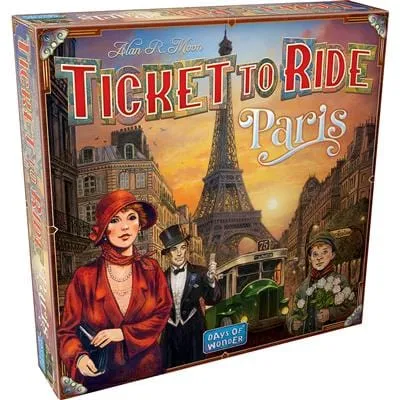
The Ticket to Ride core on a small map with one route twist; the same weight as the parent game, only shorter.
Base game · 2 shops in the US
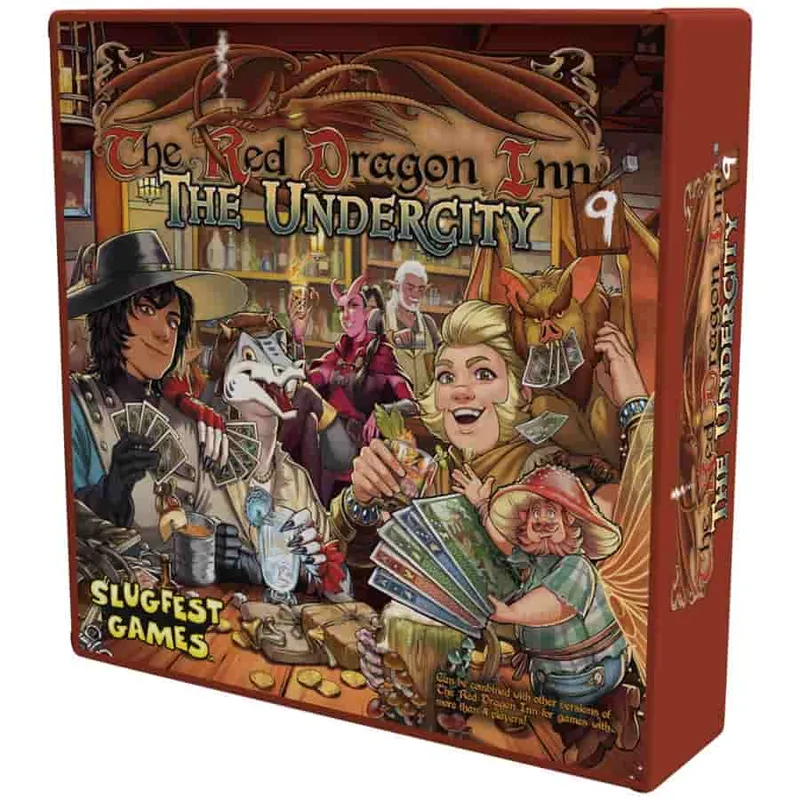
Easy: one turn routine and two tracks to watch; each character deck adds its own trick, read off the cards.
Standalone expansion · 2 shops in the US
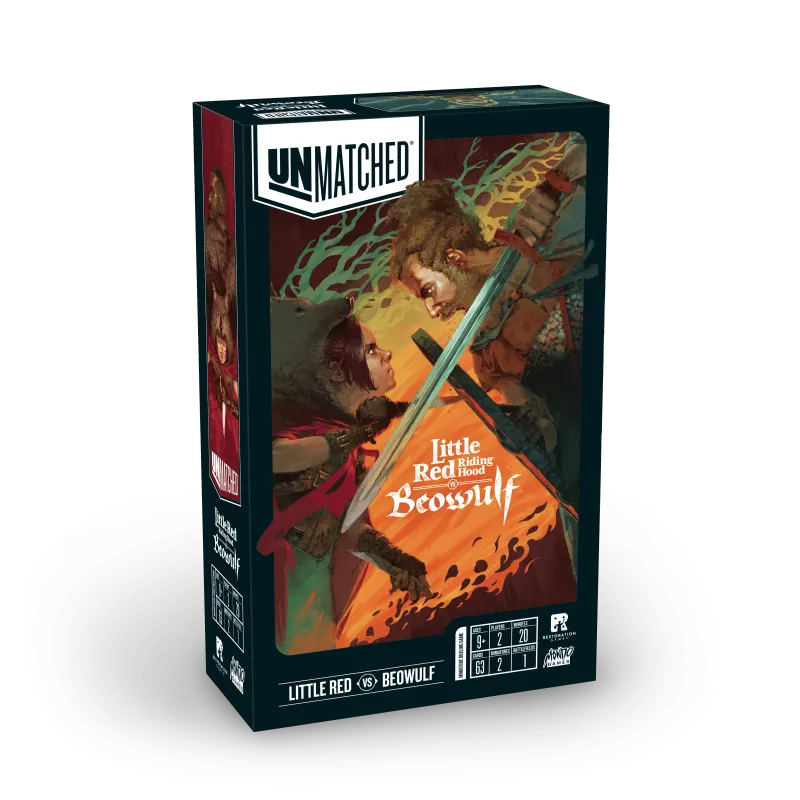
Easy: one core loop (move, scheme or attack with a blind card duel); each deck adds a single hook to learn.
Base game · 2 shops in the US
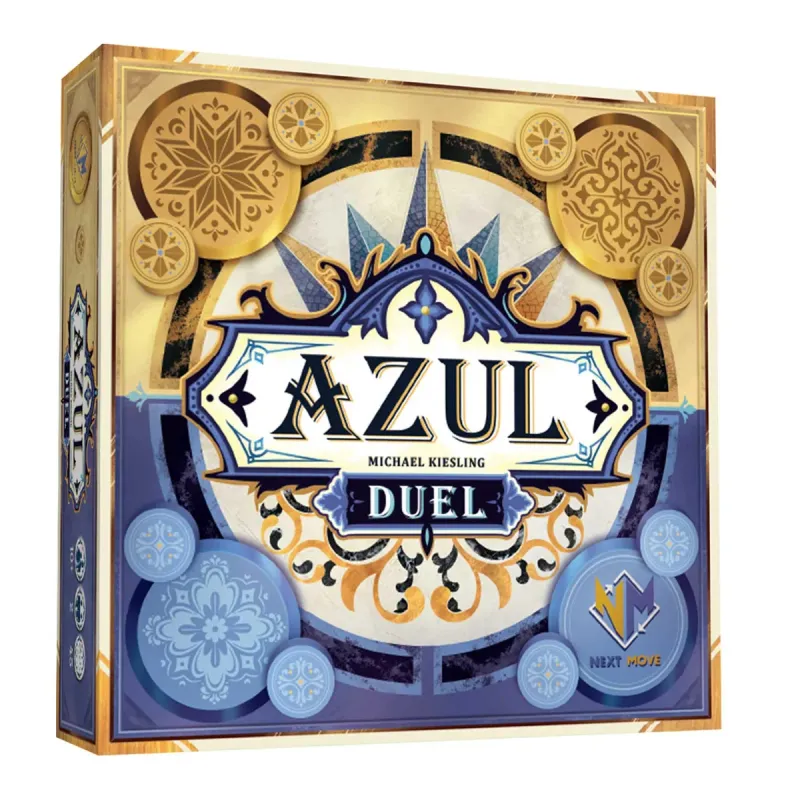
Easy: the Azul draft plus one extra decision (picking pattern plates), taught in one go.
Base game · 2 shops in the US
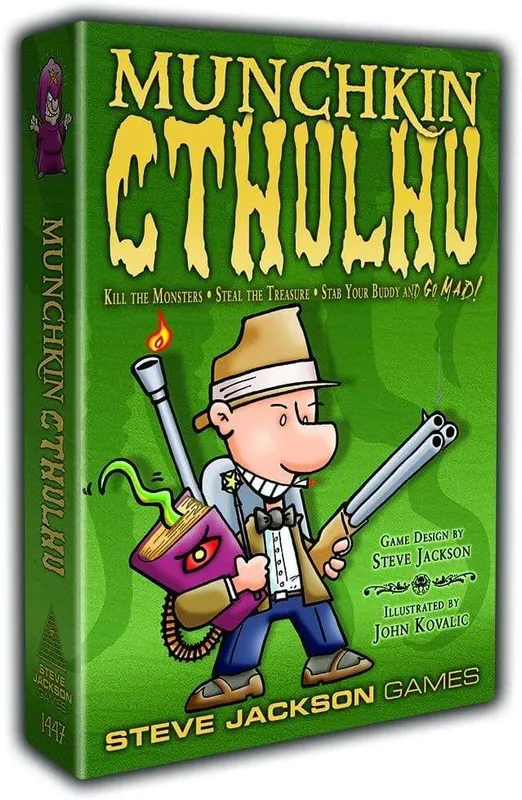
Easy: one loop (open a door, fight or run, take the loot) taught in one go; the cards add the jokes and the table talk adds the scheming.
Base game · 2 shops in the US
Easy: one loop (open a door, fight or run, take the loot) taught in one go; the cards add the jokes and the table talk adds the scheming.
Base game · 2 shops in the US
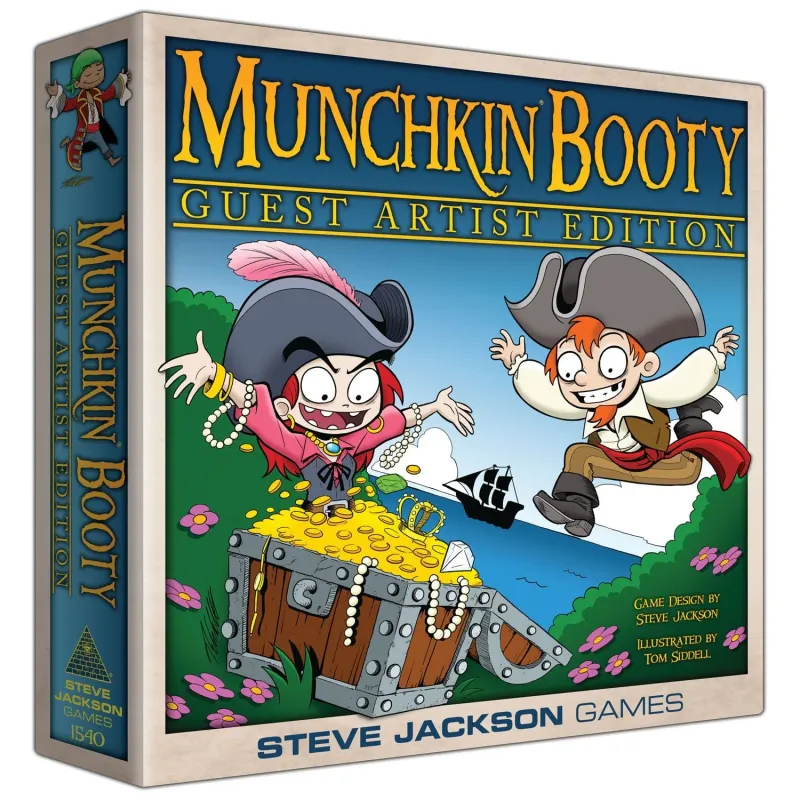
Easy: one loop (open a door, fight or run, take the loot) taught in one go; the cards add the jokes and the table talk adds the scheming.
Base game · 2 shops in the US
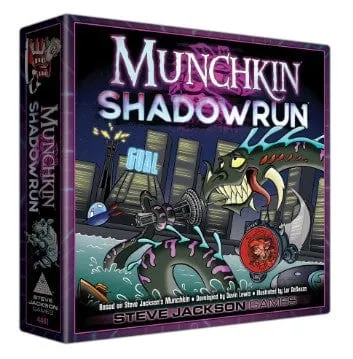
Easy: one loop (open a door, fight or run, take the loot) taught in one go; the cards add the jokes and the table talk adds the scheming.
Base game · 2 shops in the US
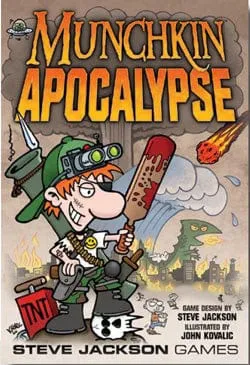
Easy: one loop (open a door, fight or run, take the loot) taught in one go; the cards add the jokes and the table talk adds the scheming.
Base game · 2 shops in the US
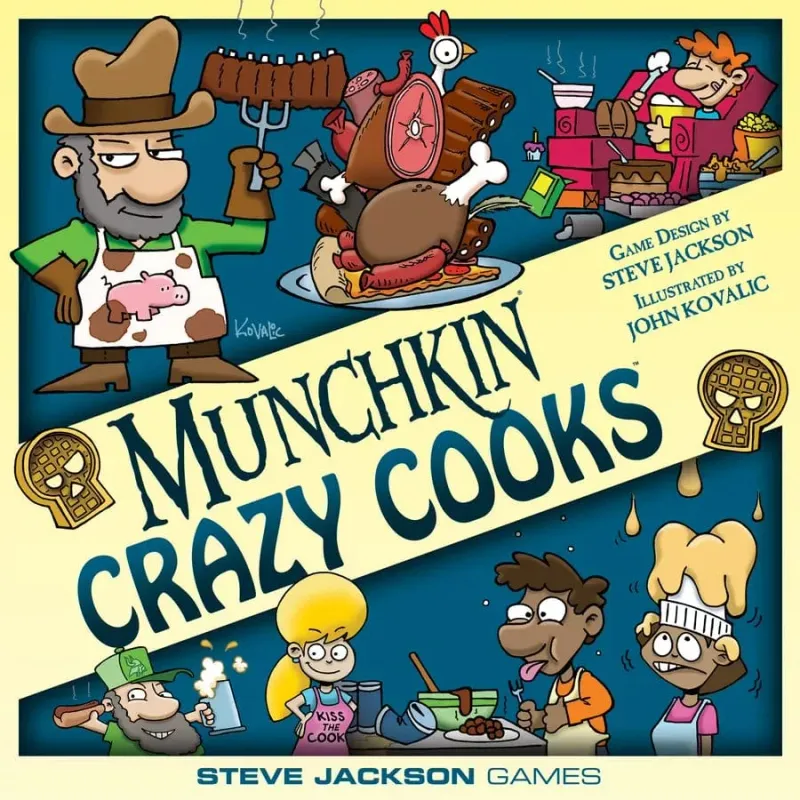
Easy: one loop (open a door, fight or run, take the loot) taught in one go; the cards add the jokes and the table talk adds the scheming.
Base game · 2 shops in the US
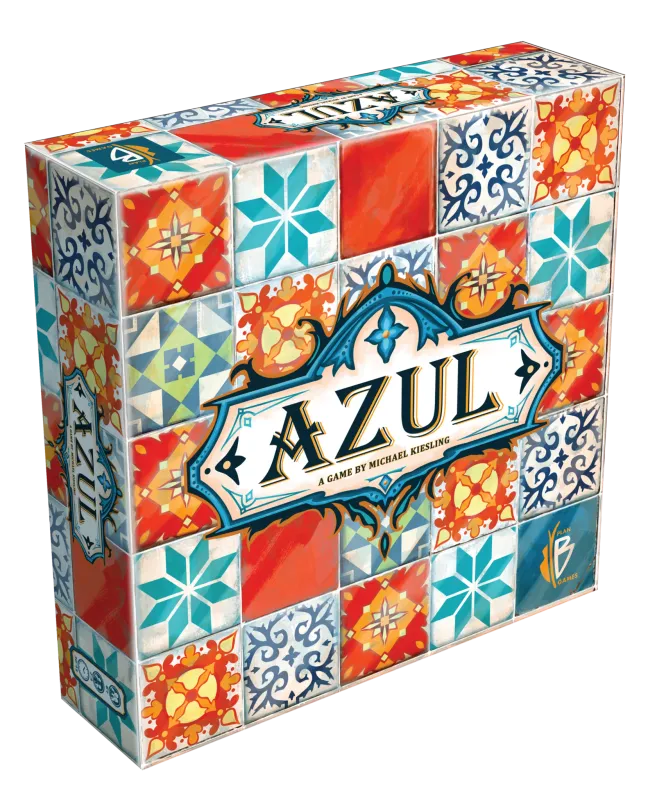
Easy: one drafting idea and one placement rule, taught in a few minutes; the depth is in denying tiles, not in rules.
Base game · 2 shops in the US
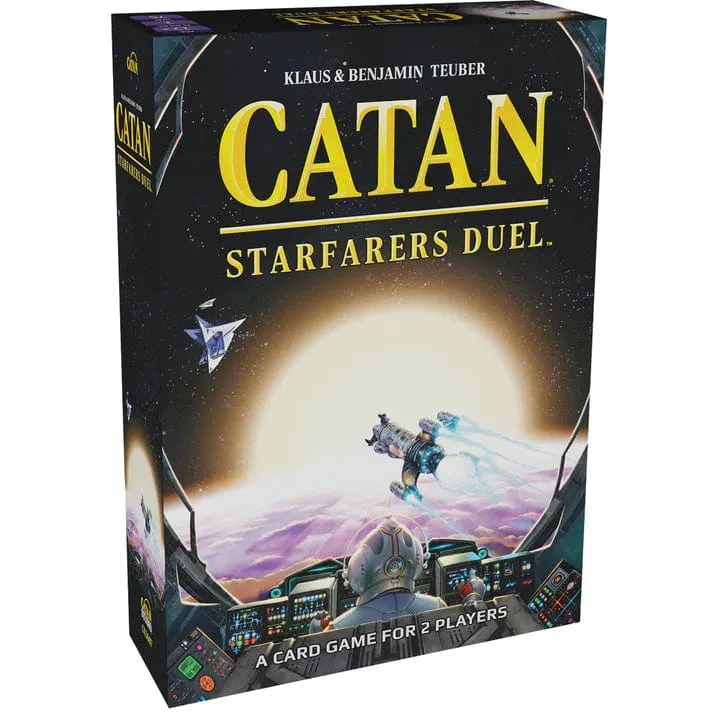
Medium: ship upgrades, trading, colonies, pirates and mission goals to track, eased in by tutorial missions.
Base game · 2 shops in the US
Start with the table, not the game. How many people will usually play, how long you have on a normal evening and the youngest player's age rule out most of the shelf before taste comes into it. A game that plays two to four is not a good five-player game however much you like it, and a two-hour game on a school night stays in its box.
Then pick a weight. A light or easy game is taught in one go and suits new players and mixed groups; a medium game has several linked systems and rewards a second play; an involved or heavy game asks for a long teach and pays it back for a group that plays often. If you are unsure, choose one step lighter than you think: a game that gets played beats a better one that does not.
Last, the kind of game: miniatures games such as dungeon crawlers and skirmish games, strategy games such as Catan and Wingspan, or card and deck-building games. Our complexity scores are our own reading of each game's rules, with the reason on every card; players, play time and age are what the publisher prints on the box.
Start with how many people will play, how long you have and the youngest player's age: those three rule out most games. Then pick a weight, from light (rules in five minutes) to heavy (a long teach and deep strategy), and if unsure go one step lighter. The finder above does the first part for you with the games you can buy in your country.
It is our own reading of each game, from 1 to 5. Light: rules in five minutes, one decision a turn. Easy: one core idea, taught in one go, such as Ticket to Ride. Medium: several linked systems, such as Catan or Wingspan. Involved: many moving parts or different sides to learn, such as Root. Heavy: a long teach and deep strategy, such as Brass. Every card gives the reason for its score.
From the publisher: what the box prints. The play time is the range the box states, and a longer game usually means more players. The age is the printed minimum, which is about rules and small parts rather than a hard rule; a confident younger player can often manage a game marked a year or two older.
Choose 2 players or Just me (solo) above to see every game we track that plays at that count. For our picks with the reasons, read the best 2-player board games guide and the best solo board games guide.
The finder lists base games, standalone games and big boxes that a shop we track sells in your country, in stock, today. Expansions are left out because they need another box to play. A game whose facts we have not checked yet is left out rather than guessed at; the count under the results says how many.