
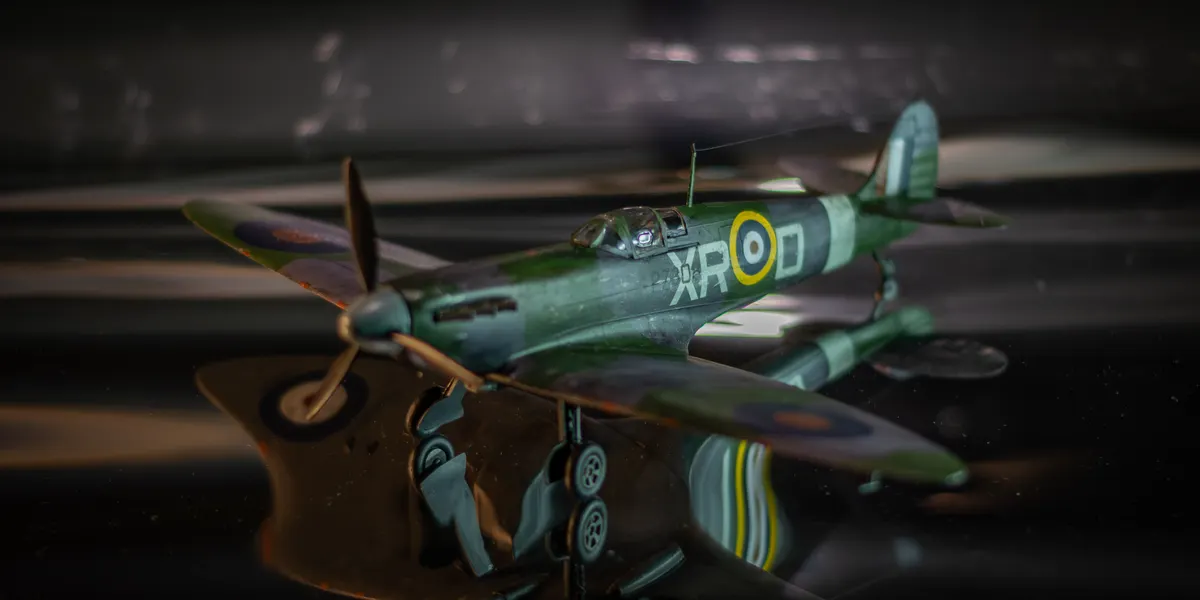
To apply water slide decals to Gunpla: gloss coat the part if it is matt, soak the decal briefly, put down setter, slide it on, blot it, add a thin coat of softener over curves and panel lines, let it dry overnight and top coat. A water slide decal is a thin printed film on a paper backing, thinner than the dry stickers most kits come with, so it sits flatter. You need a gloss coat, one or two bottles of solution and a pair of tweezers.
These are the decal setting and softening solutions the shops we compare sell in your market:
Decal fixing (setting) solution
Green Stuff World
Decal softening solution
Green Stuff World
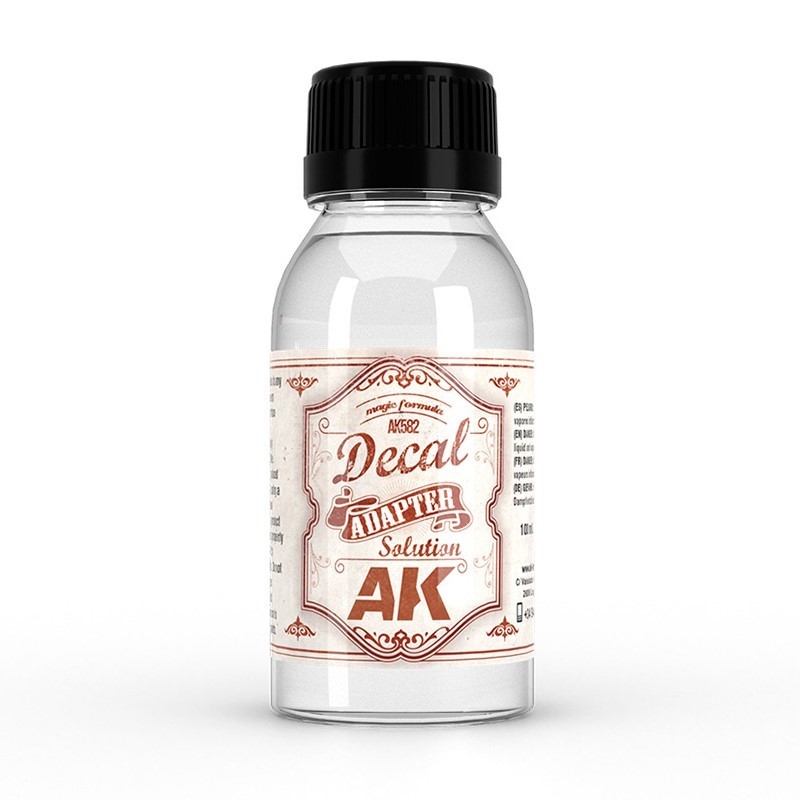
Decal softening solution · 30 ml
Revell
Vallejo
Vallejo
How to apply water slide decals
- Prepare the surface. Wash off finger grease and dust. If the part is matt, rough or painted, brush or spray a thin gloss coat and let it dry first.
- Cut the decal out. Cut close to the printed artwork. Scissors made for decals help; the Tamiya Decal Scissors (UK and EU) are one.
- Soak it briefly. Hold the cut decal in water until it slides freely on its paper, and no longer; builders warn against over-soaking.
- Put setter on the spot the decal will sit. A thin coat of setter there helps the decal grip once it is placed.
- Slide the decal into place. Hold the paper against the part and slide the film off with a brush or the tip of tweezers. Nudge it into position while it is still wet.
- Blot it. Roll a damp cotton bud over the decal from the centre outwards to push out water and air.
- Add softener only where it needs it. Brush a thin coat of softener over a decal that sits on a curve or across a panel line, then leave it alone. As it softens, the decal wrinkles first and then settles into the line. Do not touch it while it does.
- Let it dry. Overnight is the usual advice before you touch or varnish, especially after setter and softener.
- Seal it. A matt or satin clear coat over the whole kit protects the decal and evens out the shine. Try it on a spare part first, as some clear coats can cloud a decal. Our panel lining and top coat guide covers the order: build, panel line, decals, then top coat.
Setter or softener: what each bottle does
The two jobs are different, and the makers sell them separately.
- Setter helps the decal grip. Gundam Planet's page for Mr. Hobby's Mr. Mark Setter describes brushing it on at the decal's edges before laying the decal down.
- Softener makes the film conform. Gundam Planet's Mr. Mark Softer page describes it as the solution you wipe over the laid decal so it follows curves and panel lines.
Some ranges blur the two. Tamiya's Mark Fit comes in three strengths (standard, Strong and Super Strong) and is a softener, so a stronger one is for a stubborn decal on a curved part. The Tamiya, Vallejo, AK Interactive and Green Stuff World bottles above each have a setter, a softener or both. Many builders start with a softener, because it is the one that helps a decal over a raised panel line.
What you need
- A gloss coat. Sources differ on whether it is needed. Hobbyco's guide to applying Gunpla decals without silvering says clean, smooth Gunpla plastic can take decals without one. A gloss coat is most useful over matt paint, rough paint or weathering, where a decal would trap air and show as cloudy patches (silvering).
- Tweezers. Decals are small and slippery, and fingers tear them.
- Soft brush, cotton buds and a saucer of water. The brush slides the decal, the bud blots water and solution away.
- A top coat for the end. Decals are thin, so a clear coat over the top protects them. Our Gunpla paint and top coat guide compares the clear coats.
A gloss varnish for the base coat:
Vallejo
Vallejo
AK Real Colors

Gloss protective topcoat, 18ml dropper
Army Painter

Gloss protective topcoat, 100ml bottle · AK11239
AK Interactive
Tweezers for lifting and placing the decal:
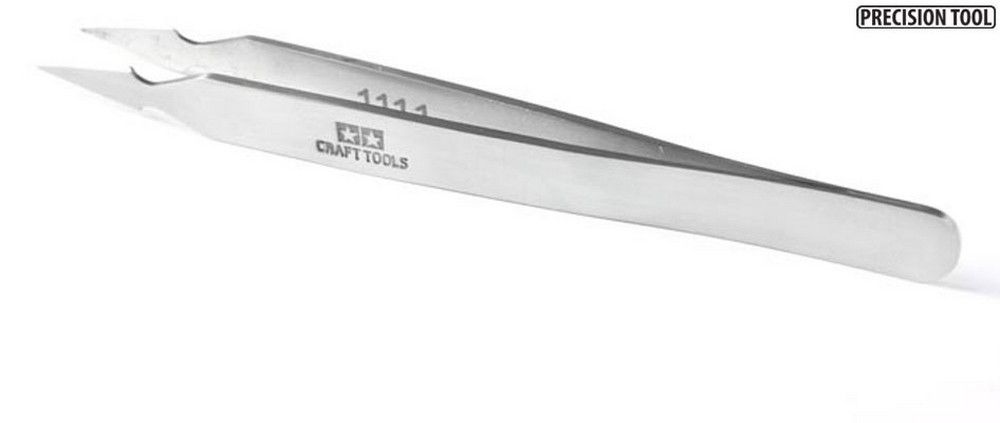
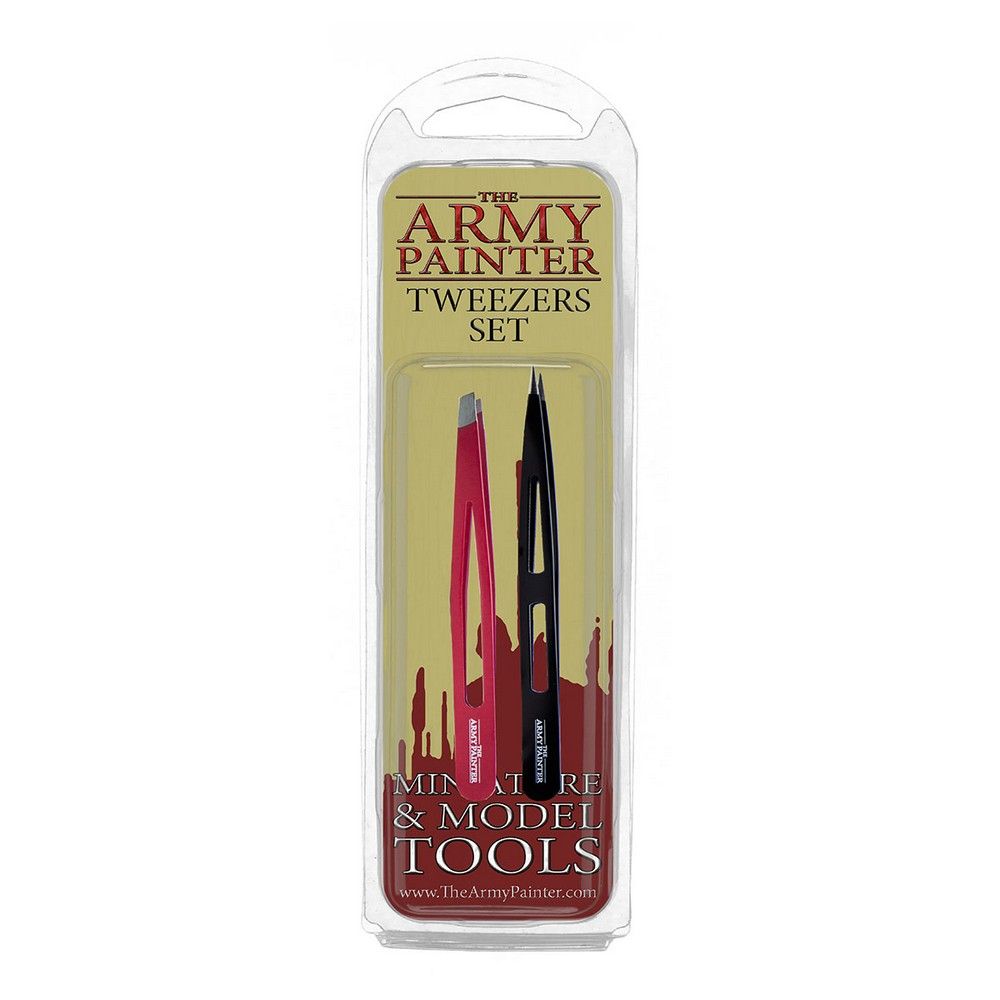
Set of modelling tweezers
Army Painter
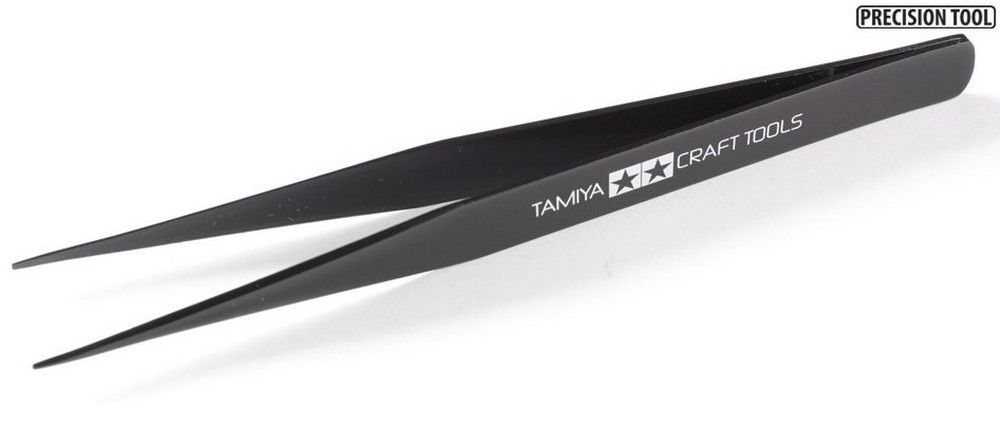
Straight-tip modelling tweezers
Tamiya
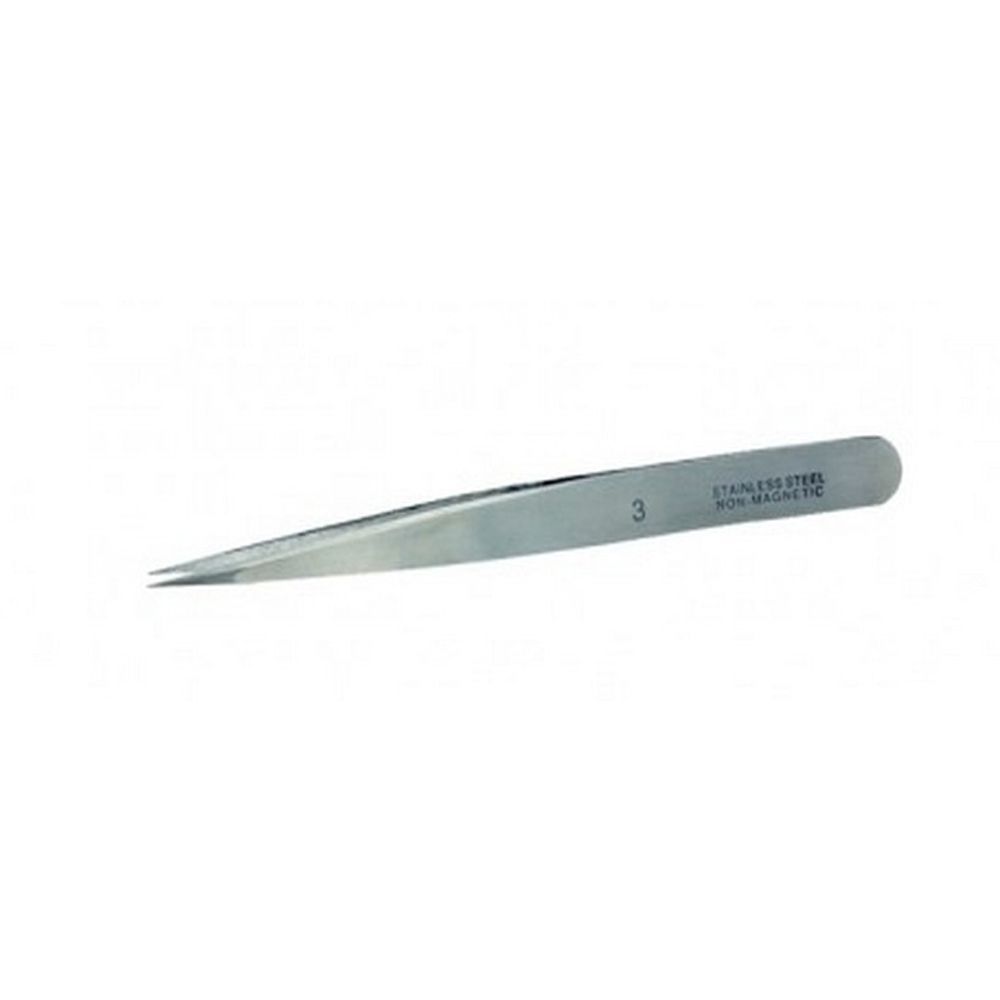
No. 3 fine-point stainless tweezers
Vallejo
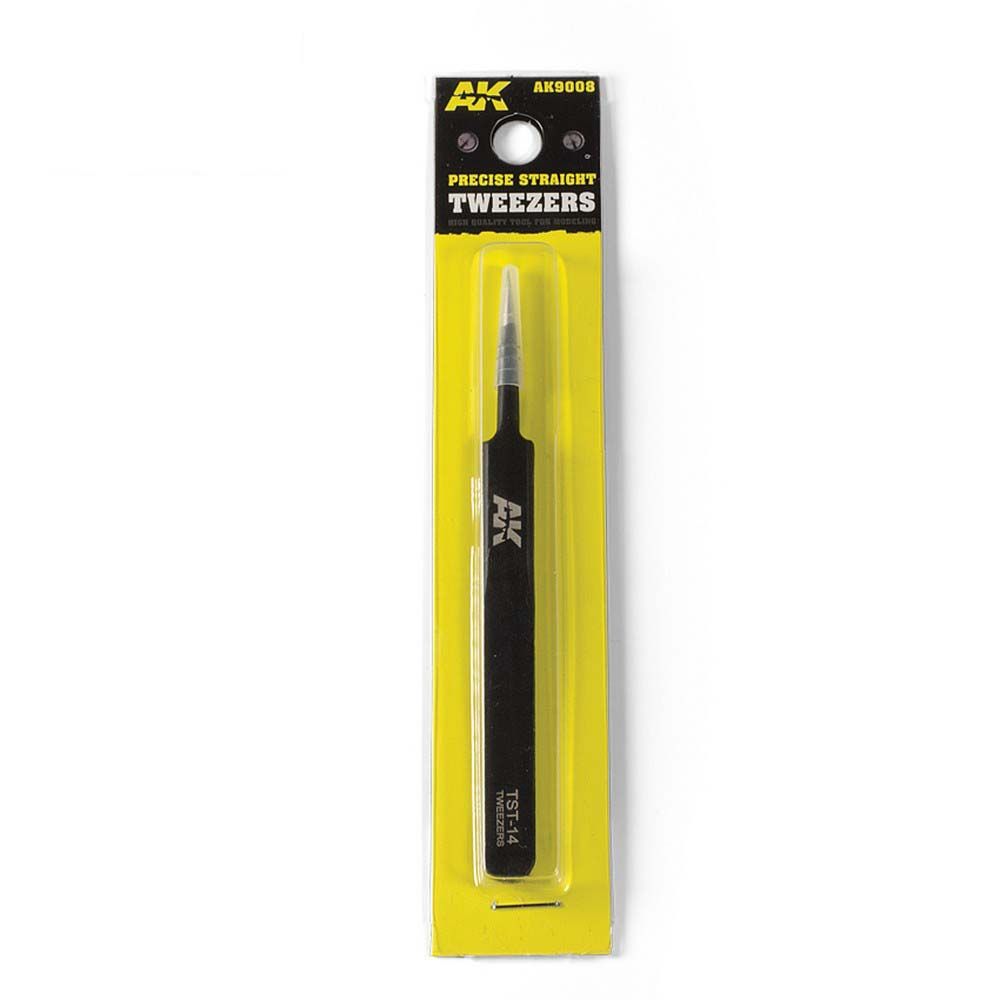
Fine straight tweezers
AK Interactive
Matt and satin clear coats for the last step:

Matt anti-shine topcoat, 400ml aerosol
Army Painter
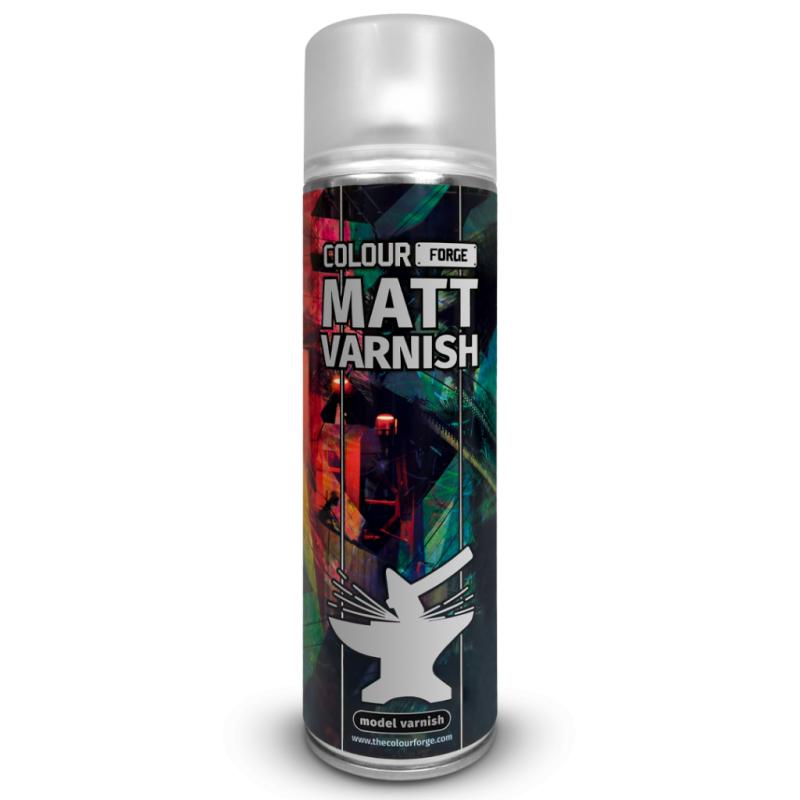
Matt clear coat sprayed over a finished paint scheme to protect it and kill shine · 500ml aerosol · Matt · United Kingdom · TCF-SPR-004 · 5060843100959
Colour Forge
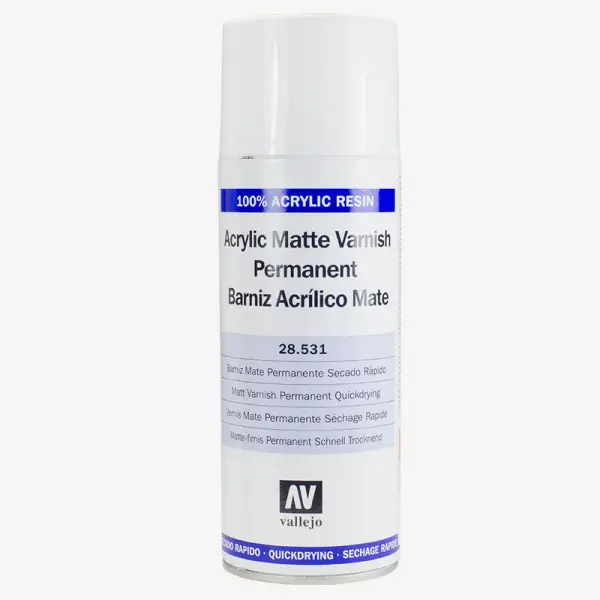
Water-based acrylic matt topcoat aerosol; permanent, non-removable, non-yellowing · 400ml
Vallejo
Mistakes that ruin a decal
- Too much softener. Gunpla builders regularly ask online whether they have used too much, and the common advice is the same: thin coats, and test on a spare decal or a part you will not see.
- Moving a softened decal. Once the softener has gone on, the film is fragile. Wait.
- Silvering. A cloudy patch under the decal means air is trapped. A gloss coat, a damp bud rolled outwards and a bit of setter all reduce it.
- Decals over wet paint. Let the paint cure fully before you decal.
Kits and decal sheets
Water slide decals are mostly bought as separate sheets from Bandai and from third-party makers, then applied to a built kit. We do not list sheets of Gundam decals yet, because our Gunpla shelf covers the kits themselves. If you need a kit to practise on, any grade works; the larger the flat panel, the easier a first decal. Our best Gunpla for beginners guide lists first kits.


Tips
- Test on a spare. Try one decal on a hidden spot or a scrap part.
- Thin coats. A little softener, then wait, then add more if the decal has not settled.
- Work one decal at a time. The film dries as you handle the next one.
- Gloss first, matt last. The smooth coat helps the decal, the clear top coat protects it.
For the tools around this job, our Gunpla tools guide covers nippers and sanding, and Gunpla grades explained helps you choose the next kit.
Shop decal solutions
Decal setters and softeners, compared across every shop we track.
We earn a small commission from qualifying purchases at no extra cost to you.
Questions
How do you apply water slide decals to Gunpla?
Gloss coat the part if it is matt or rough, cut the decal out, soak it briefly, wet the spot with decal setter, slide the decal into place, blot it with a damp cotton bud, add a thin coat of softener over curves and panel lines, let it dry overnight and seal it with a clear coat.
Do you need a gloss coat before water slide decals?
Not always. Smooth, clean kit plastic can take a decal without one, according to Hobbyco. Over matt paint, rough paint or weathering a gloss coat gives the decal a smooth surface and helps avoid silvering.
What is the difference between Mr. Mark Setter and Mr. Mark Softer?
Setter helps a decal grip the surface; Softer softens the film so it conforms to curves and panel lines. They are separate bottles in the Mr. Hobby range.
What is silvering on a decal?
A cloudy or shiny patch under the decal where air is trapped between the film and the surface. A gloss base coat, rolling a damp cotton bud outwards and a thin coat of setter reduce it.
Do you need a top coat over water slide decals?
Yes, a clear coat is advised: decals are thin, and a matt or satin top coat protects them and evens out the finish. Wait until the decal and solutions are fully dry first.