
PLA-family FDM filament, 1.75 mm · 1kg
GEEETECH
No price tracked yet
Paint Picker is now Hobby Supermarket. Same site, same prices, same shops.
 HobbySupermarket
PLA is the default filament for printing terrain, scenery, bases and props. It prints at low temperatures on almost any FDM printer without an enclosure, barely warps, and holds crisp detail - and once primed it takes acrylic paint like any plastic kit. It is stiff rather than tough, and it starts to soften at around 60 °C, so a PLA print left in a hot car can sag. PLA+ and Pro lines trade a little of that ease for toughness; matte PLA hides layer lines under a thin coat; silk and specialty PLAs (marble, wood-fill, glow, metallic) are for display pieces you may not paint at all.
Nearly every spool here is 1.75 mm; the few 2.85 mm ones say so in their name. Other materials: PETG filament, TPU filament, or every filament.
3142 PLA products read and admitted; 271 priced in Australian dollars at the shops we track, listed first.
PLA-family FDM filament, 1.75 mm · 1kg
GEEETECH

PLA-family FDM filament, 1.75 mm · 1kg
nice essentials

PLA-family FDM filament, 1.75 mm · 1kg
Polymaker

PLA-family FDM filament, 1.75 mm · 1kg
Proto-pasta

Prusament PLA FDM filament · 1.75 mm, 1 kg · Gentleman's Grey
Prusa

rPLA FDM filament · 1.75 mm, 1 kg · Funkelnde Kerze (Red-Glitter)
Recycling Fabrik

GreenyPro FDM filament · 1.75 mm, 1 kg · Real Green
Spectrum

HT-PLA FDM filament · 1.75 mm, 1 kg · Tooling Turquoise
The Filament

PLA filament: the easy all-rounder for terrain, bases and display prints · 2.3kg, 1.75 mm
3DJAKE
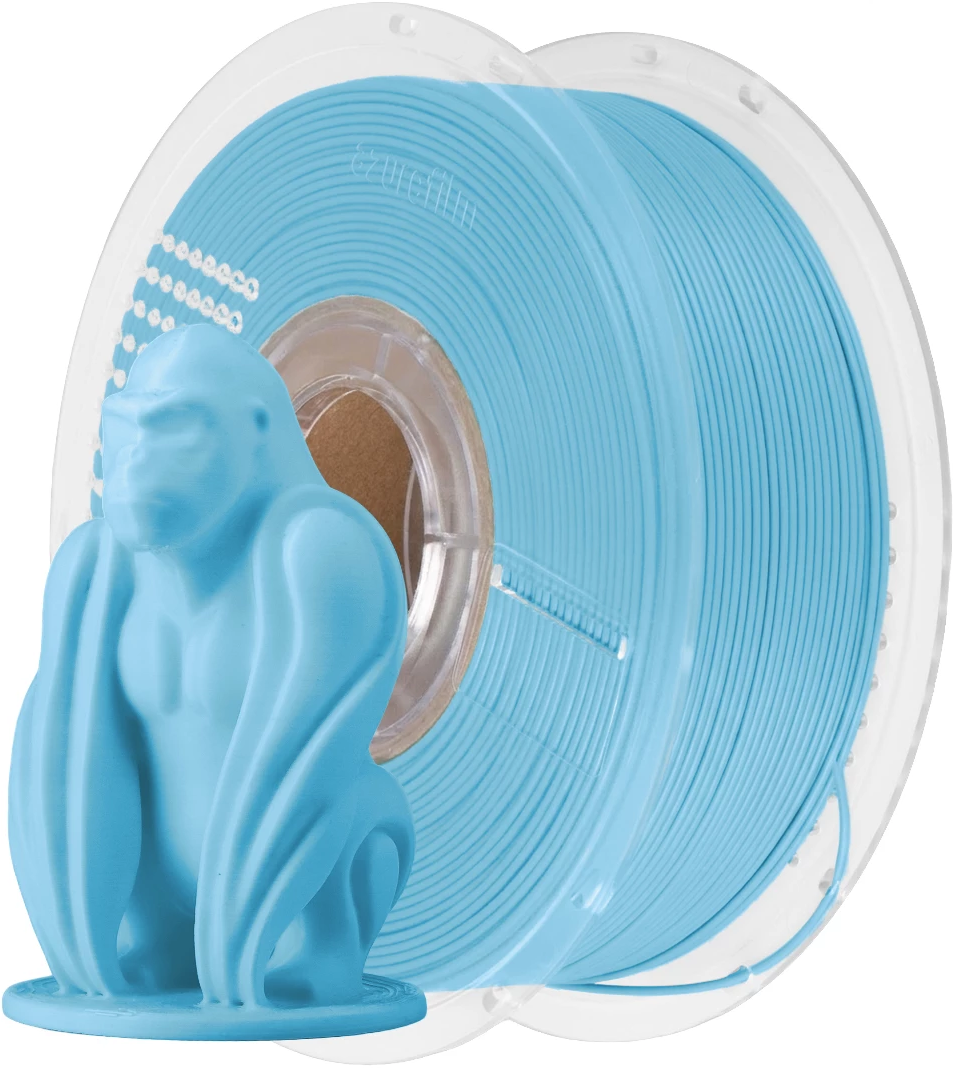
PLA filament: the easy all-rounder for terrain, bases and display prints · 1kg, 1.75 mm
AzureFilm
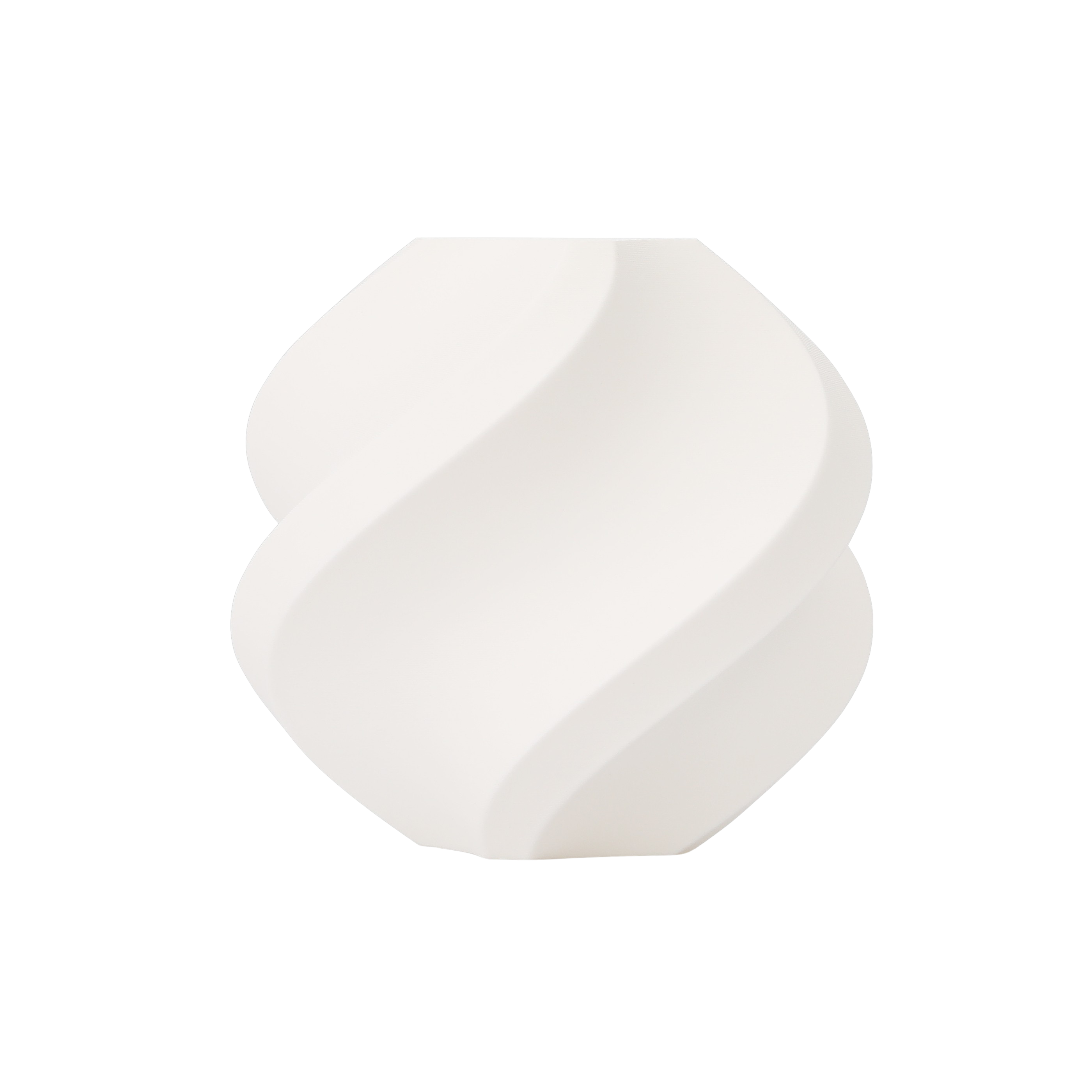
PLA filament: the easy all-rounder for terrain, bases and display prints · 1kg, 1.75 mm
Bambu Lab
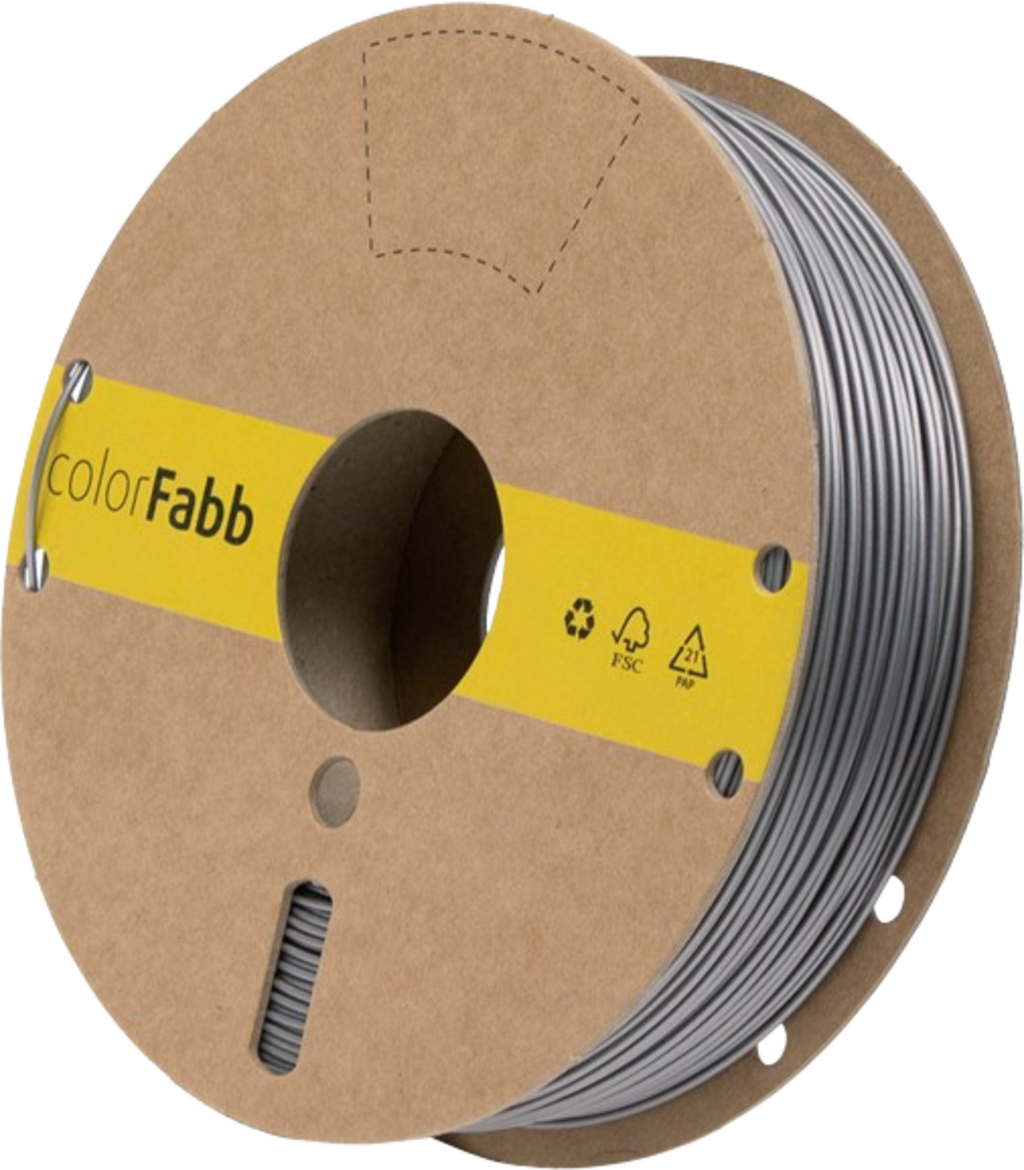
Foaming lightweight filament: low-density prints for RC aircraft, cosplay and large light parts · 750g, 1.75 mm
colorFabb

PLA filament: the easy all-rounder for terrain, bases and display prints · 1kg, 1.75 mm
Creality

Spool-less Tough PLA refill for the Phrozen reusable spool · 1kg
Phrozen

PLA filament tuned for high-speed printers · 1kg
QIDI Tech

PLA filament tuned for high-speed printers · 1kg
SUNLU

A fixed set of 250g mini spools: a colour sampler, or small amounts of many colours for detail parts (250g spools are not sold alone) · 8 x 250g
ELEGOO

A fixed four-colour set of 1kg filament rolls, picked and named by Anycubic around a theme · 4 x 1kg
Anycubic

1.75 mm PLA filament for FDM printers · 1kg refill (no spool), 1.75 mm
eSUN

1.75 mm PLA filament for FDM printers · 1kg spool, 1.75 mm
Extrudr

1.75 mm PLA filament for FDM printers · 850g spool, 1.75 mm
Fiberlogy

PLA-family FDM filament, 1.75 mm · 1kg
FormFutura

PLA-family FDM filament, 1.75 mm · 1kg
GEEETECH
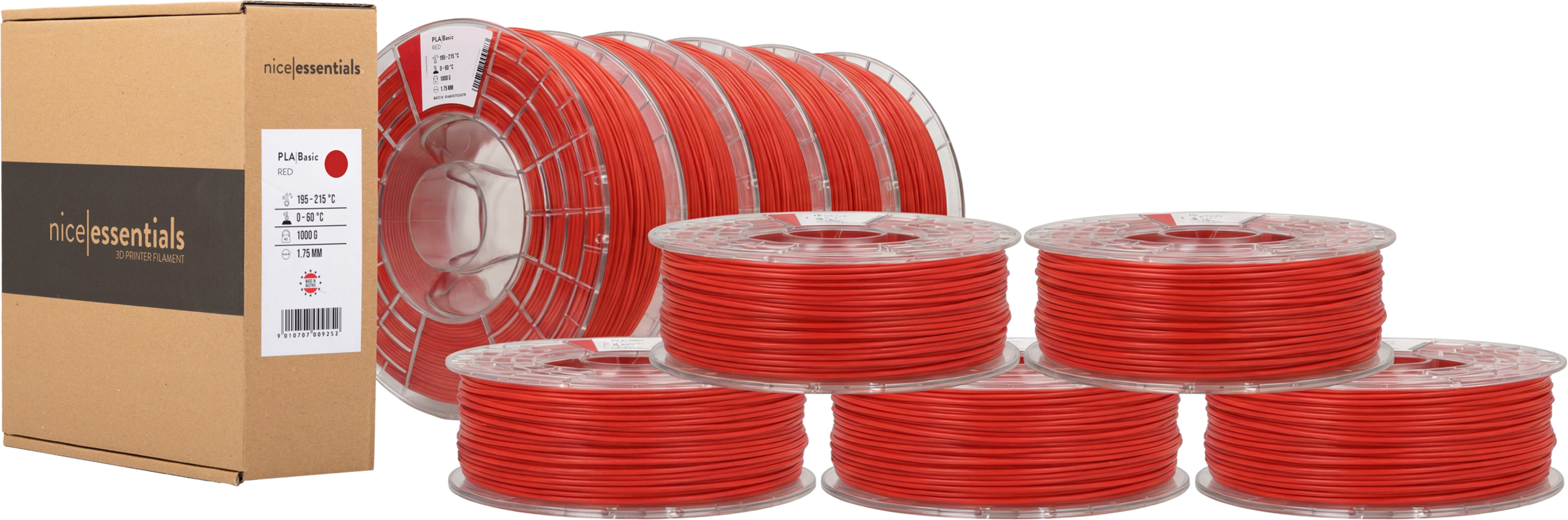
PLA-family FDM filament, 1.75 mm · 10 x 1kg
nice essentials

PLA-family FDM filament, 1.75 mm · 1kg
Polymaker

PLA-family FDM filament, 1.75 mm · 500g
Proto-pasta

Prusament PLA FDM filament · 1.75 mm, 1 kg · Gravity Grey
Prusa

rPLA FDM filament · 1.75 mm, 1 kg · Funkelnde Nacht (Black-Glitter)
Recycling Fabrik

GreenyPro FDM filament · 1.75 mm, 1 kg · Traffic Black
Spectrum

HT-PLA FDM filament · 1.75 mm, 1 kg · Tooling Yellow
The Filament

PLA filament: the easy all-rounder for terrain, bases and display prints · 1kg, 1.75 mm
3DJAKE
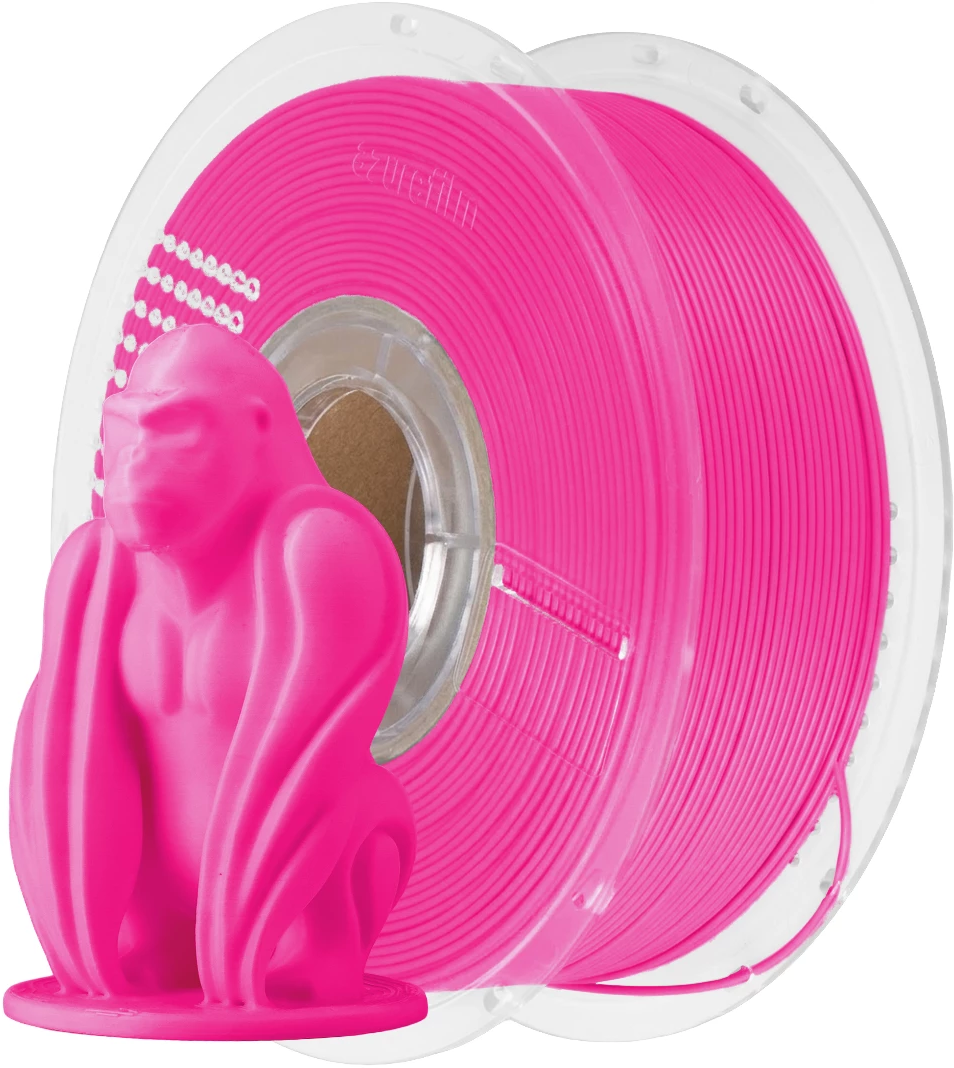
PLA filament: the easy all-rounder for terrain, bases and display prints · 1kg, 1.75 mm
AzureFilm
PLA filament: the easy all-rounder for terrain, bases and display prints · 1kg, 1.75 mm
Bambu Lab
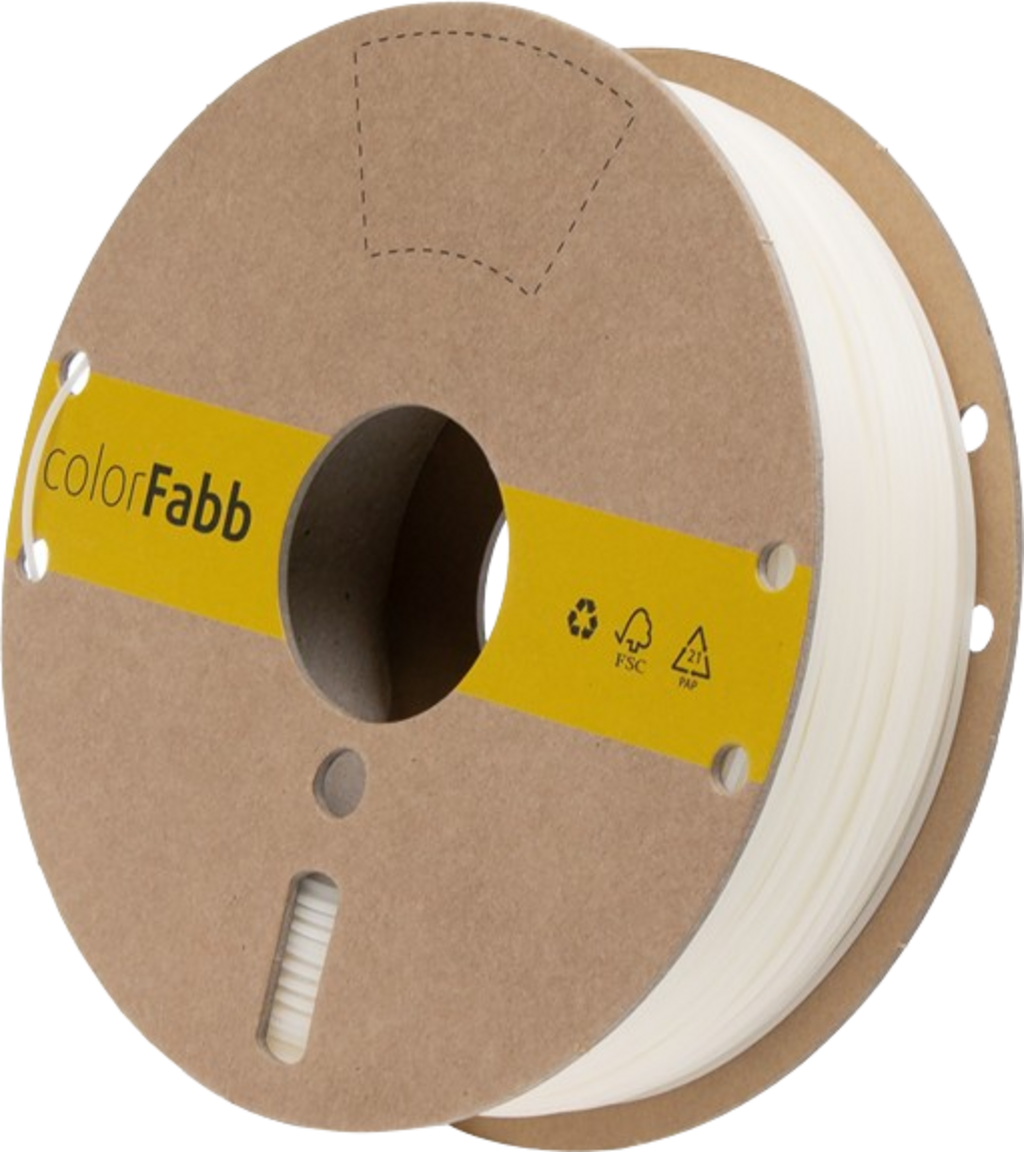
Foaming lightweight filament: low-density prints for RC aircraft, cosplay and large light parts · 750g, 1.75 mm
colorFabb

PLA filament: the easy all-rounder for terrain, bases and display prints · 1kg, 1.75 mm
Creality
Spool-less Tough PLA refill for the Phrozen reusable spool · 1kg
Phrozen

Matte PLA filament tuned for high-speed printers; hides layer lines · 1kg
QIDI Tech
PLA filament tuned for high-speed printers · 1kg
SUNLU

PLA filament: the easiest material for terrain, scenery, props and display pieces · 1kg
ELEGOO
A fixed four-colour set of 1kg filament rolls, picked and named by Anycubic around a theme · 4 x 1kg
Anycubic

1.75 mm PLA filament for FDM printers · 1kg spool, 1.75 mm
eSUN
1.75 mm PLA filament for FDM printers · 2.5kg spool, 1.75 mm
Extrudr
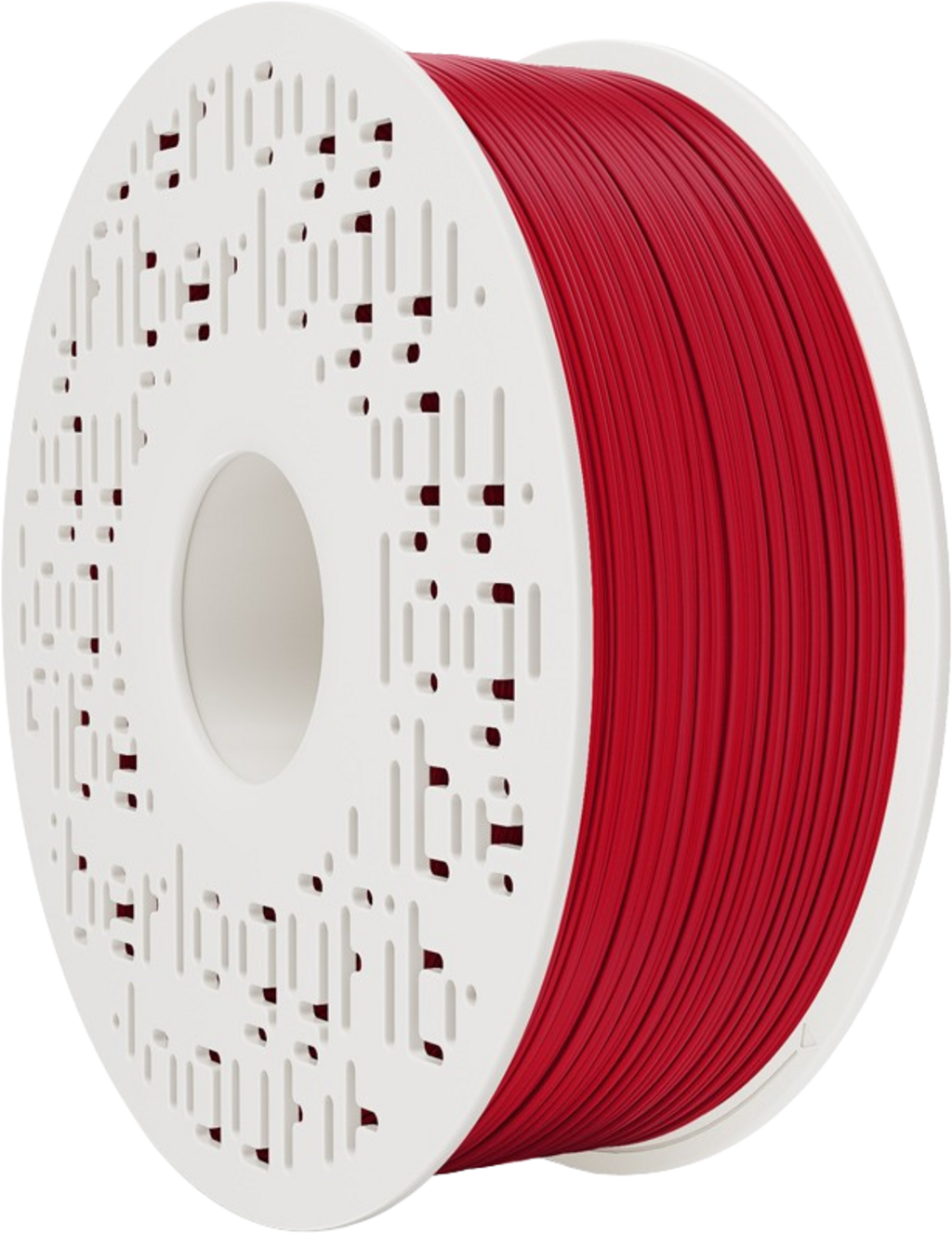
1.75 mm PLA filament for FDM printers · 1kg spool, 1.75 mm
Fiberlogy

PLA-family FDM filament, 1.75 mm · 1kg
FormFutura

PLA-family FDM filament, 1.75 mm · 1kg
GEEETECH

PLA-family FDM filament, 1.75 mm · 1kg
nice essentials

PLA-family FDM filament, 1.75 mm · 1kg
Polymaker

PLA-family FDM filament, 1.75 mm · 500g
Proto-pasta
| PLA | PETG | |
|---|---|---|
| Printing | Easiest: lower temperatures, little tuning, prints on almost any machine | Hotter nozzle and bed, strings more, likes a slower first layer |
| Strength | Stiff but brittle - thin parts snap | Tougher - flexes before it breaks |
| Heat | Softens at around 60 °C | Holds its shape to around 80 °C |
| Detail and sanding | Crisp detail, sands cleanly | Slightly softer detail, gums up when sanded |
| Painting | Primes and paints like a plastic kit | Glossy surface: use a primer made for plastics |
| Best for | Most terrain, scenery, bases and display pieces | Pieces that get handled, packed or left somewhere warm |
Keep it printable with a filament dryer, or see the rest of the bench on the 3D Printing hub.