

A painting station is a desk where the light is good, the paints are in reach, nothing needs clearing away at the end of the night, and the fumes go somewhere other than your face. It does not need a dedicated room. It needs six things in the right places: light, a surface, paint storage, a palette, somewhere for tools and brushes, and fresh air. This guide goes through each in the order that matters and links to the detailed guide for it. The first widget is the piece that is usually the cheapest upgrade: the light.
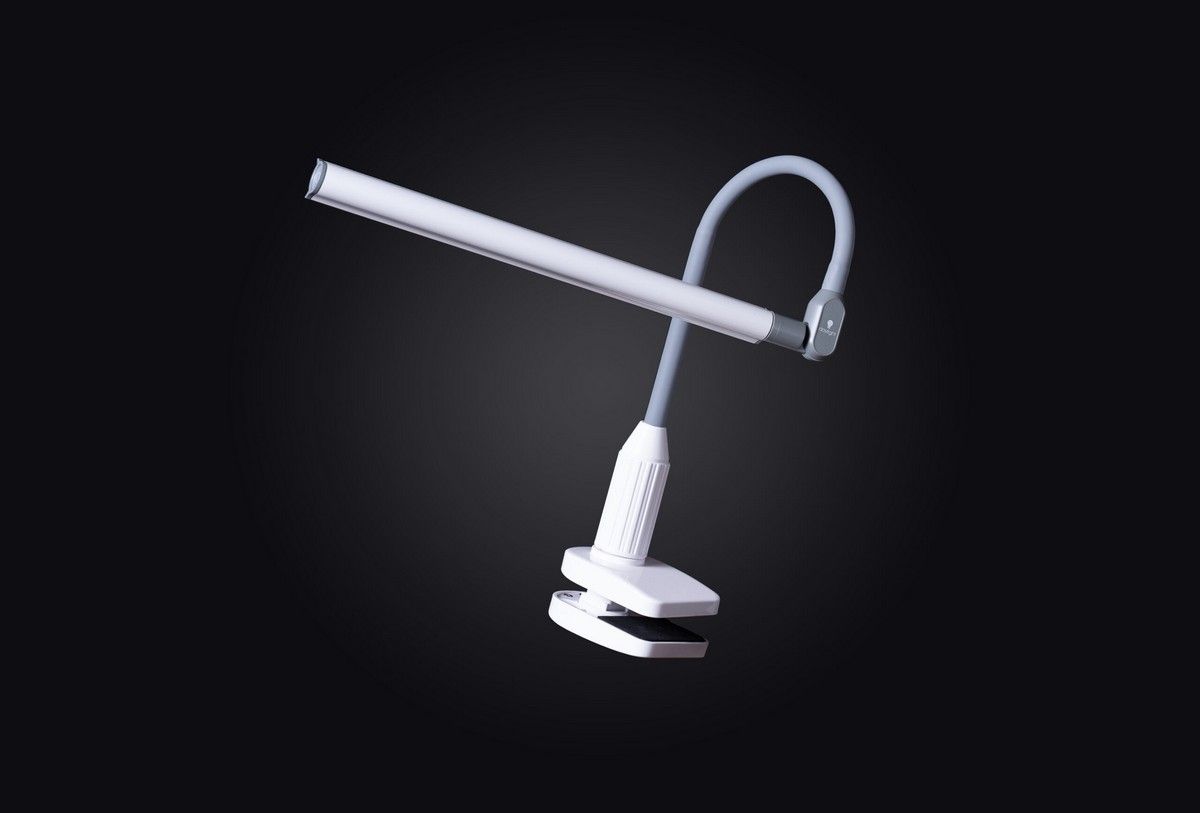
95+ CRI flexible lamp on a desk clamp
Daylight

Dual-bar daylight desk lamp, 5000K, 1800 lumens, CRI 98.5+; clamp and power supply included
Redgrass Games
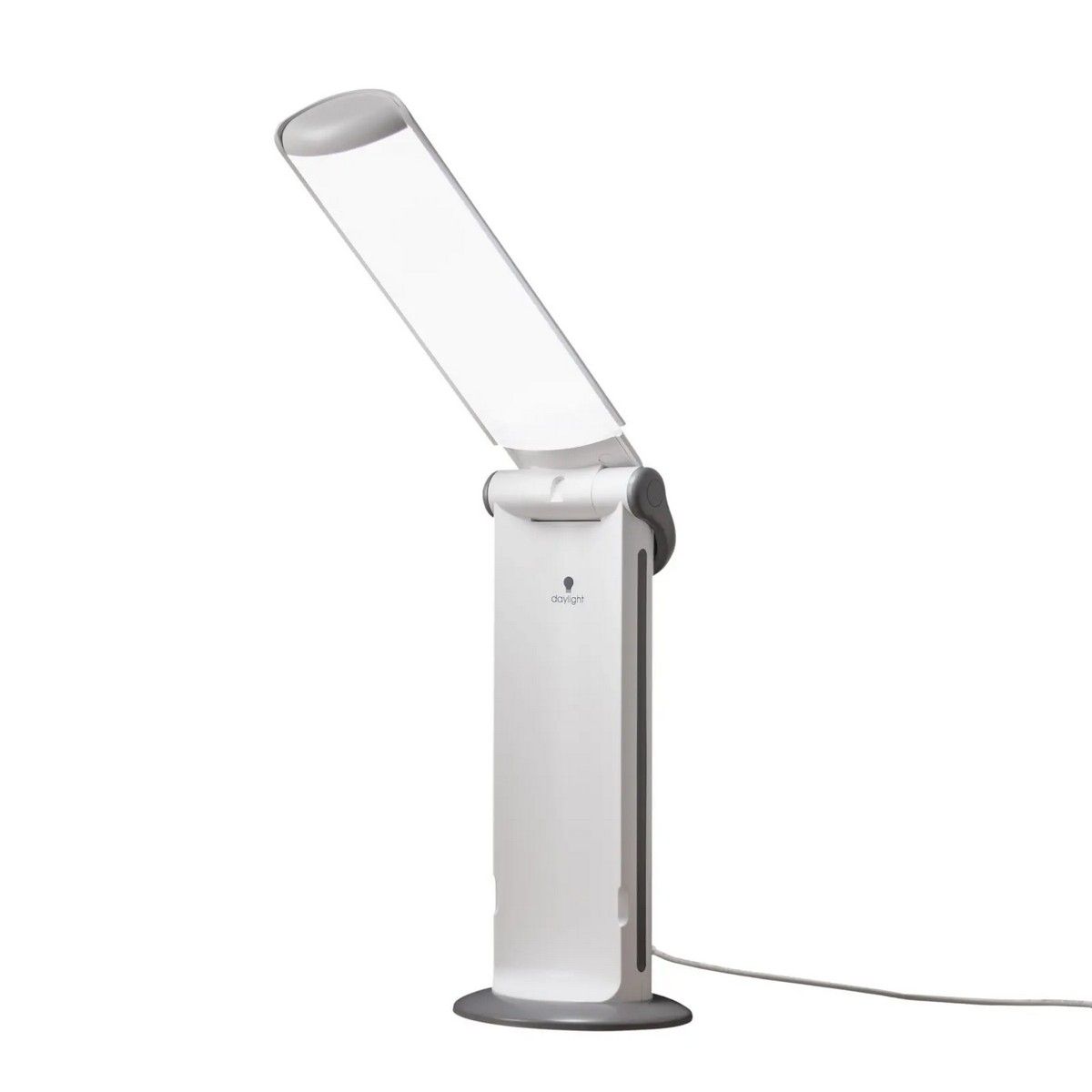
Mains 95+ CRI folding bench lamp, 3 brightness levels
Daylight

Compact single-bar daylight desk lamp, 5000K, 1100 lumens, CRI 98.5+, on a freestanding base
Redgrass Games
The layout in one paragraph
Put the desk where you can leave it. Put the lamp low and on the side away from your painting hand (the left for a right-handed painter), so your hand and head are not in the light. Keep the paints along the back or on a rack at the side, the wet palette in front of your painting hand, and the brushes in a holder beside the palette so a wet brush never rests on its bristles. Keep the knife, nippers and glue on a cutting mat at the other side, away from the paint. If you airbrush, put the booth beside a window.
1. Light
Light is the first thing to fix, and the cheapest. A lamp with a high colour rendering index (CRI) shows the paint the colour it really is, and a clamp or table lamp puts it where you need it. Our guide to the best lamp for miniature painting explains CRI, kelvin and brightness, and compares clamp, desk, floor and cordless lamps. The whole shelf is at hobby lamps.
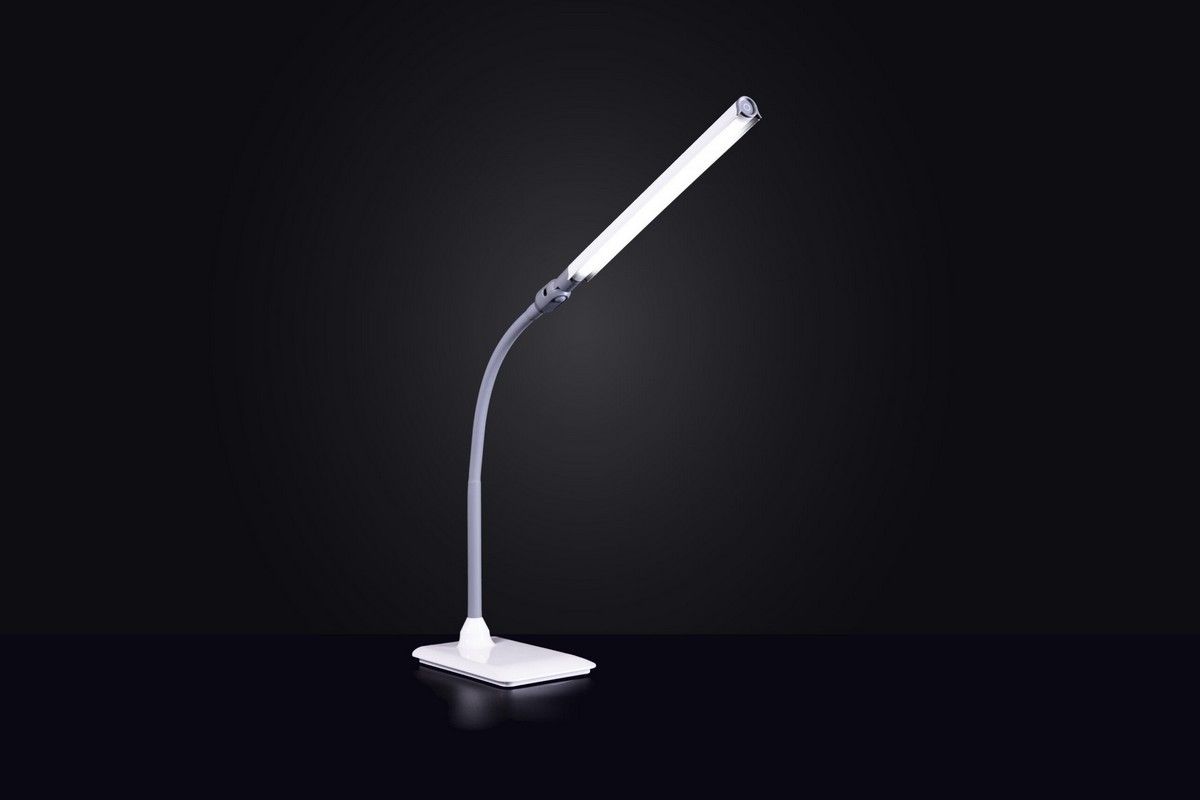
95+ CRI flexible desk lamp on a weighted base
Daylight

95+ CRI 6,000K desk lamp with anti-glare diffuser
Daylight
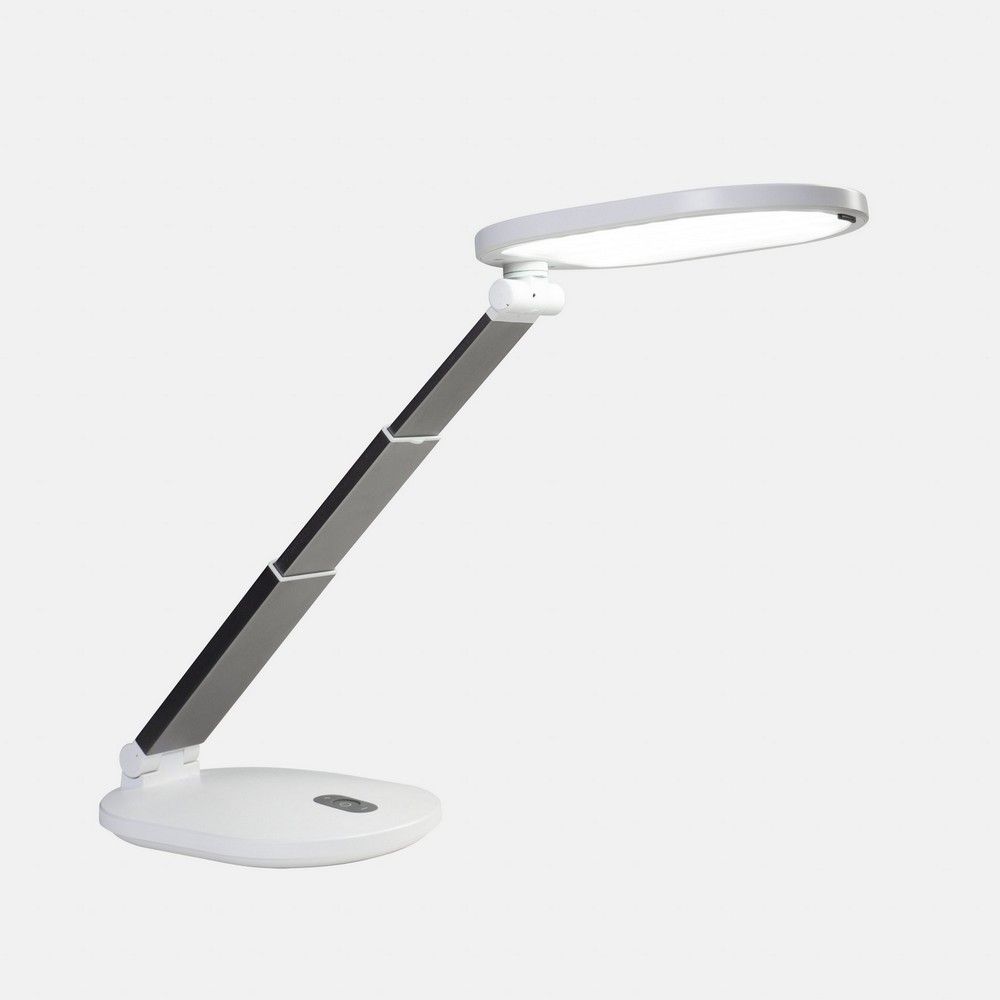
Folding rechargeable 95+ CRI lamp with carry case
Daylight
Compact single-bar daylight desk lamp, 5000K, 1100 lumens, CRI 98.5+, on a freestanding base
Redgrass Games
2. Magnification
If you cannot see the detail, try more light first, then magnification. A magnifying lamp sits on the desk; a head visor is worn. The choice between them is covered in head magnifier vs magnifying lamp.
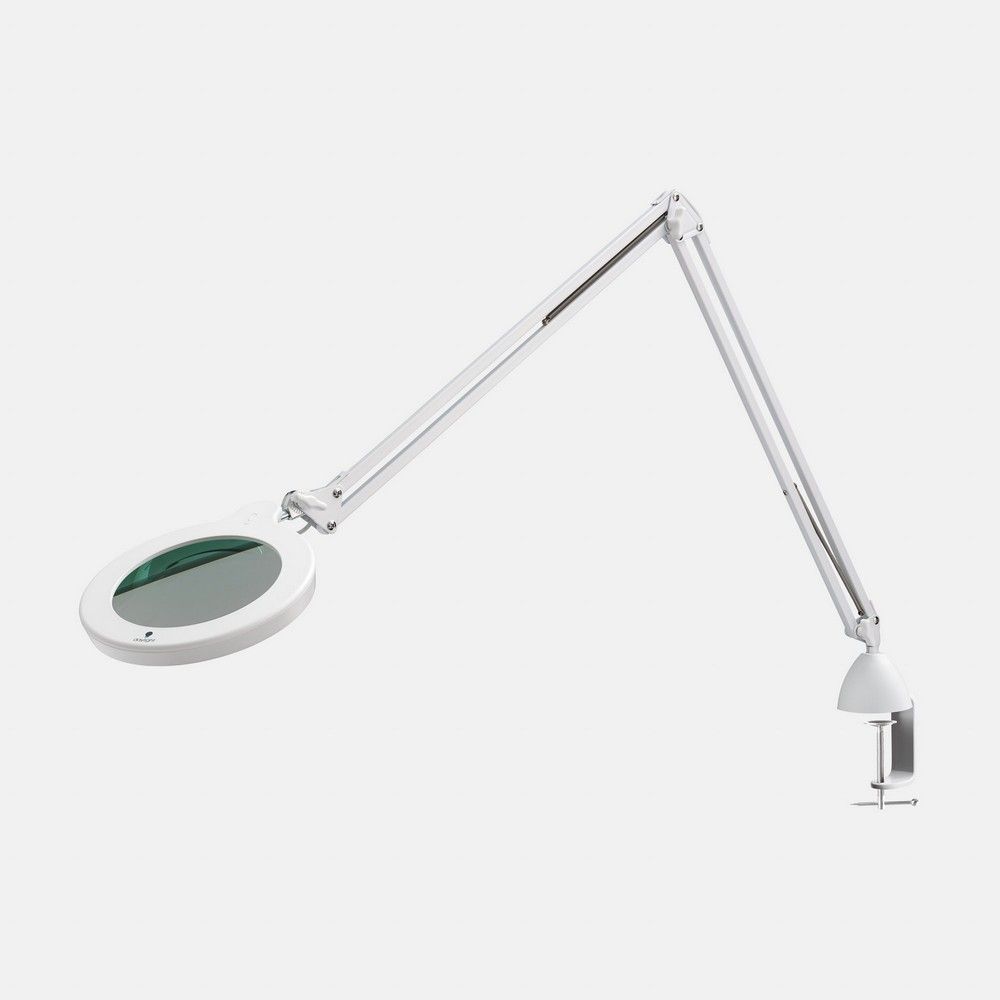
Spring-arm magnifying lamp, 12.7cm glass lens, 1.75x
Daylight
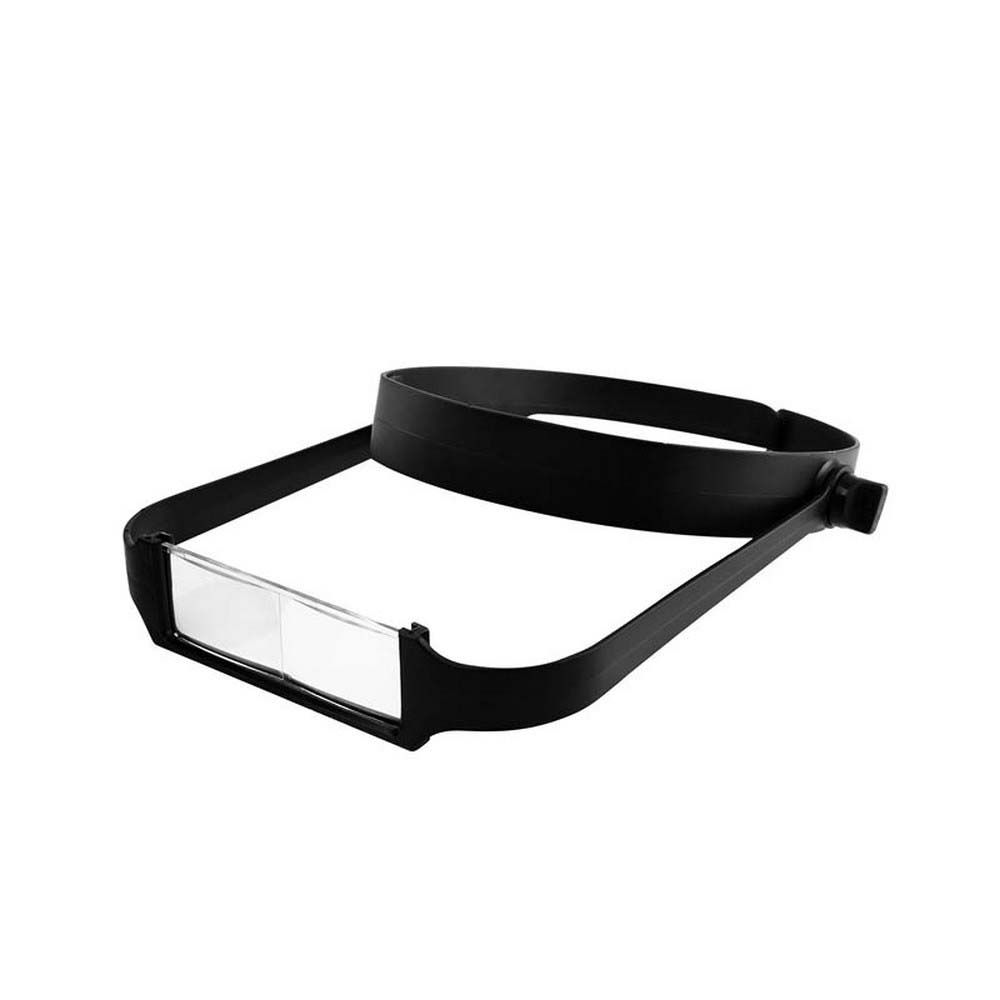
Head-worn magnifying visor with four lenses
Vallejo
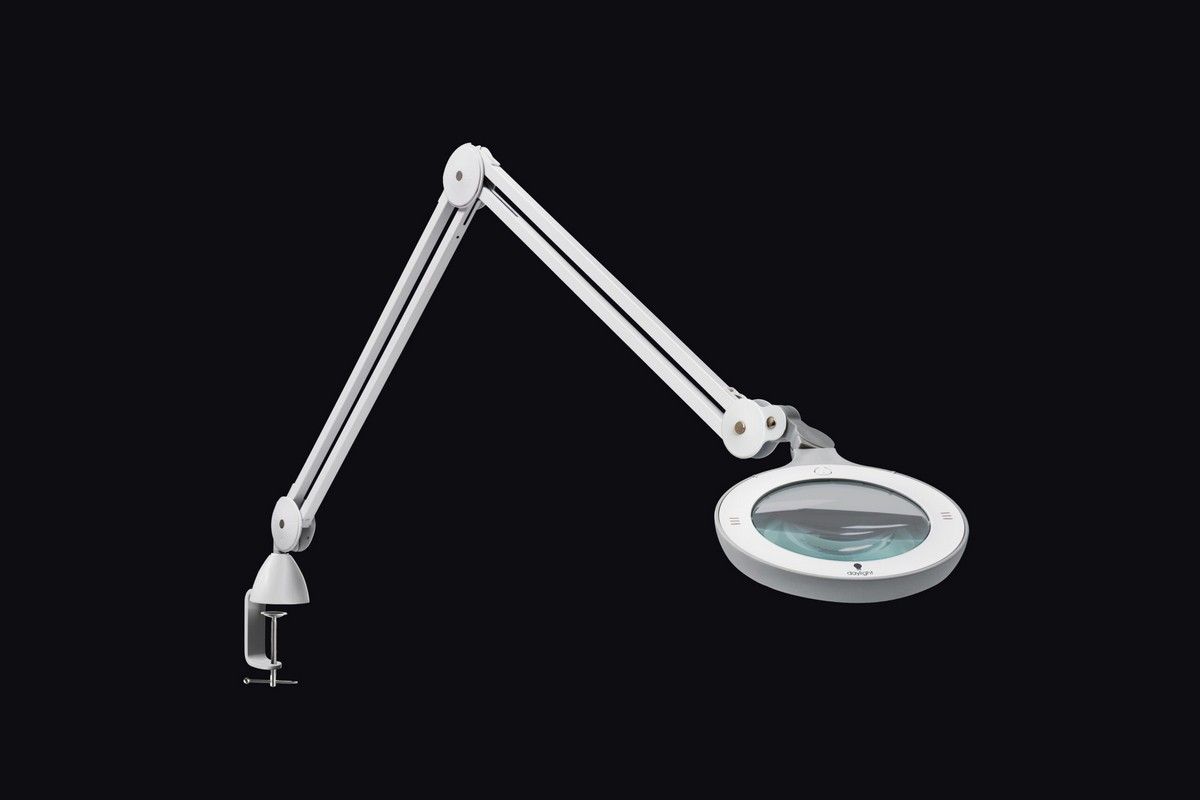
Spring-arm magnifier, 12.7cm glass lens 1.75x + 2.25x insert
Daylight
3. Paint storage
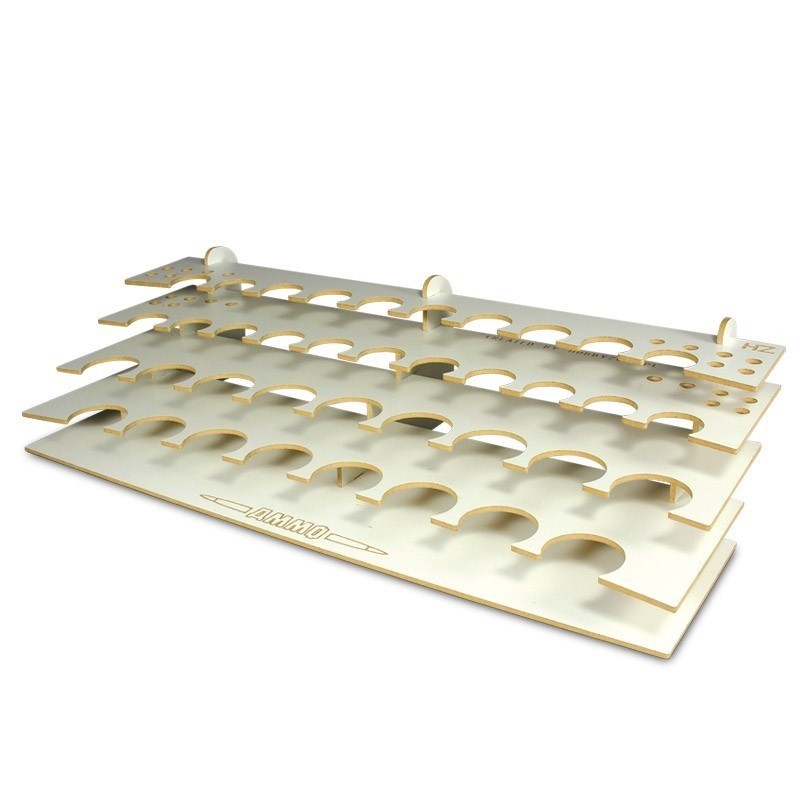
Paint within reach, with the label visible, is paint you use. The right rack depends on your pot shape (a Citadel pot and a dropper bottle need different holes) and on how many you own. The paint rack and storage guide covers it, and the paint shaker guide covers what to do about paint that has separated in the pot.

Stackable acrylic rack, six angled tiers holding 48 bottles in 25.5mm slots
Golden Maple

Wooden rack with 81 bottle compartments, assembles without glue
Golden Maple

MDF composite paint station; the maker files it as Paint Station (50)
Army Painter
Half-width MDF module, 12 x 60ml bottles (dipping inks)
Green Stuff World
For a desk that has to be packed away, a portable station is a rack, a mat and a palette in one box: see portable paint stations. When the finished models start to pile up beside the rack, the display case guide measures how many fit on a shelf.
4. Desk organisers and brush holders
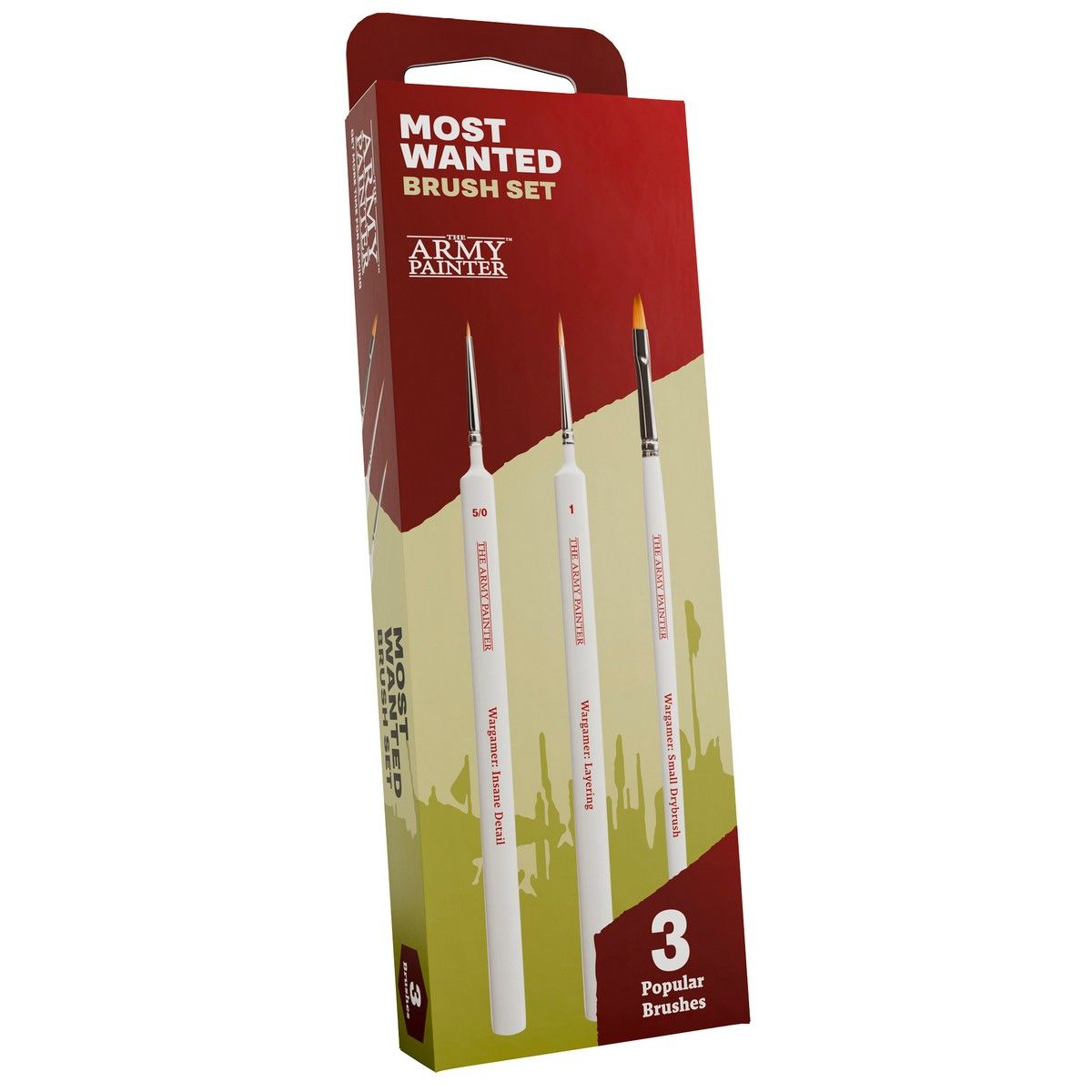
This is the part people copy from furniture shops, and it works the same way in the hobby. An organiser keeps the things you reach for in the same place every time. A brush holder is the one with a rule attached: bristles up, or the brush flat, never resting on the tip. The brush care guide explains why, and our hobby desk organiser ideas go through brush holders, paint caddies, tool stands and the rolling-cart setup in detail.
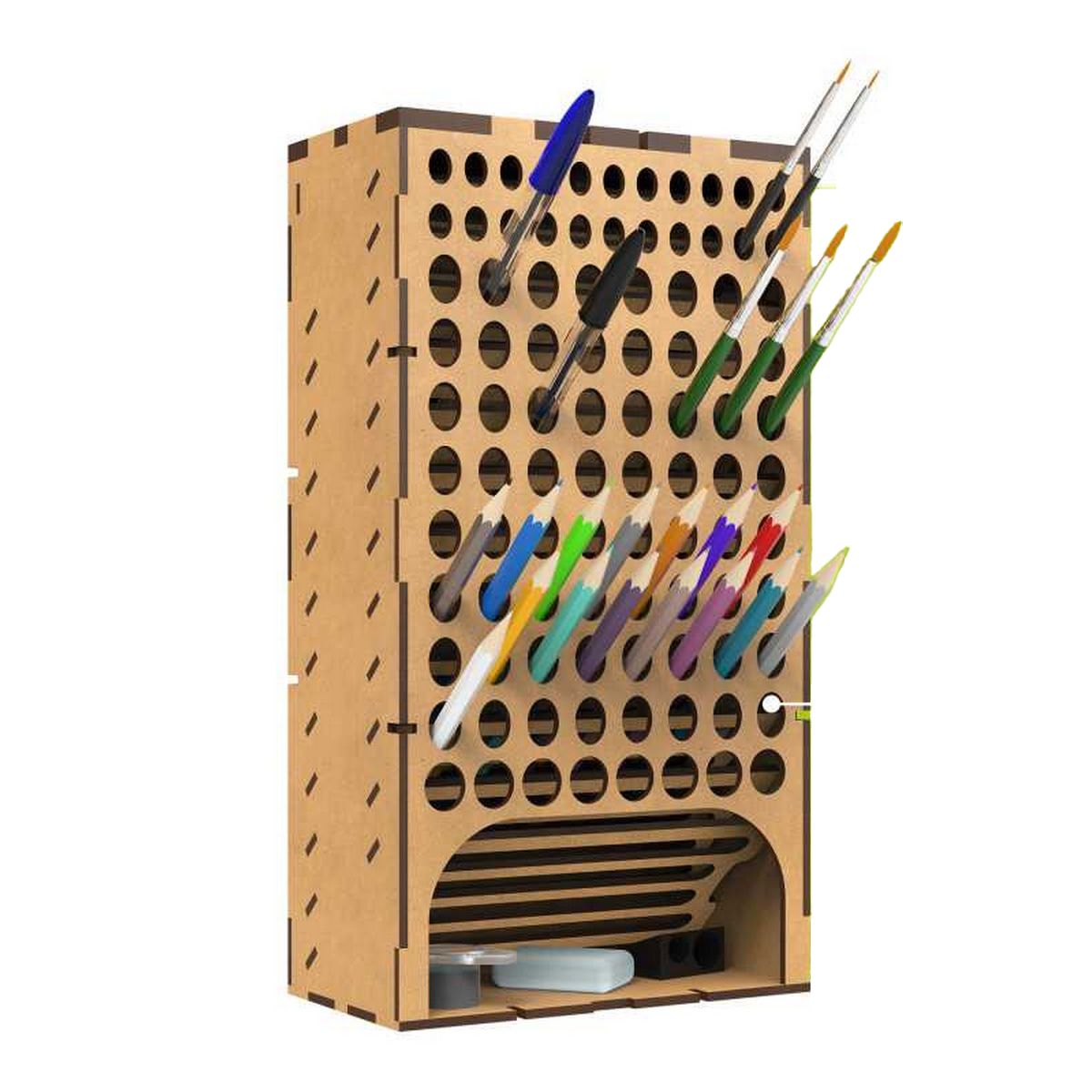
Green Stuff World

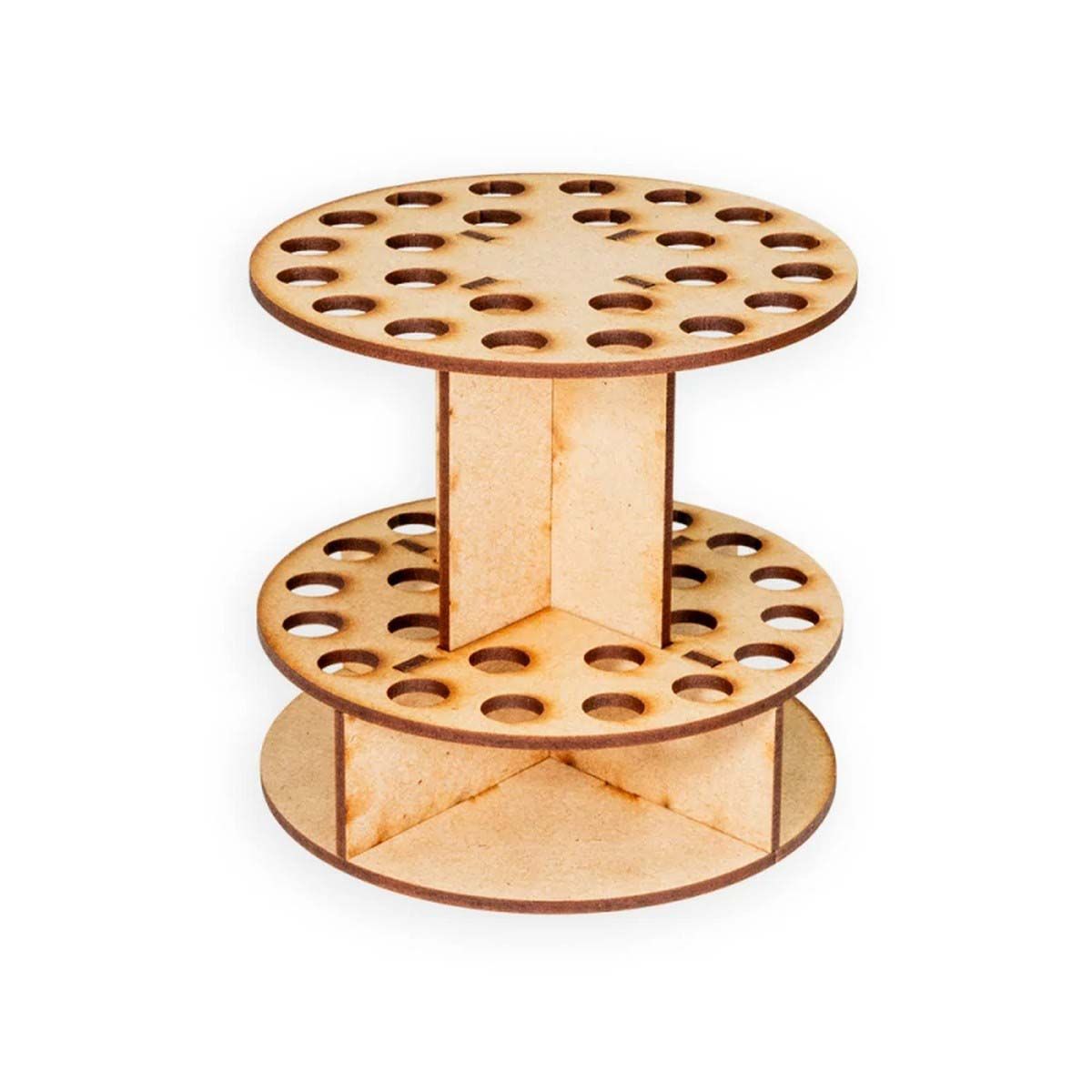
Standalone brush holder from Kromlech’s rack system
Kromlech
Brush cases and rolls are the same idea made portable, and they protect the tips while you carry the brushes:
15 dividers (6 large, 9 small) · Brushes up to 24cm · Nylon, folds into a bench stand · SMALL_BRUSH_CASE_WITH_STAND
Rosemary & Co
8 fabric pockets · Natural bamboo with fabric pockets · BAMBOOROLL
Rosemary & Co
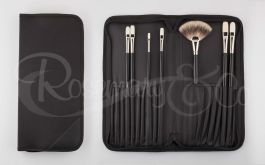
18 brush pockets plus 2 storage pockets · Brushes up to 35.5cm · Nylon, zipped · LARGEBRUSHCASE
Rosemary & Co
5. The palette
A wet palette keeps acrylic paint workable for a whole session, and it is the second most useful upgrade after light. See the wet palette guide for how it works and which to buy.
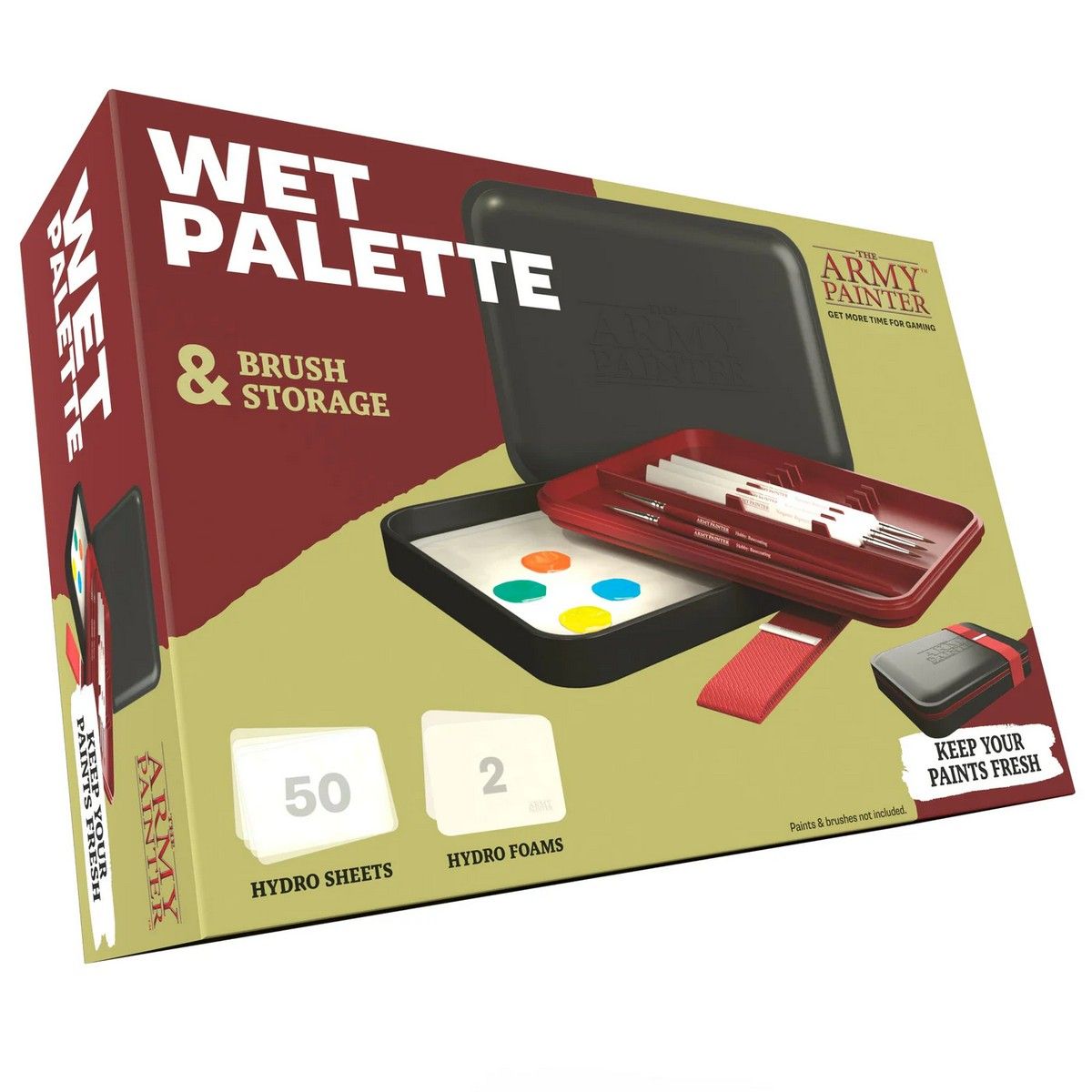
Sealed wet palette, wargamer format
Army Painter
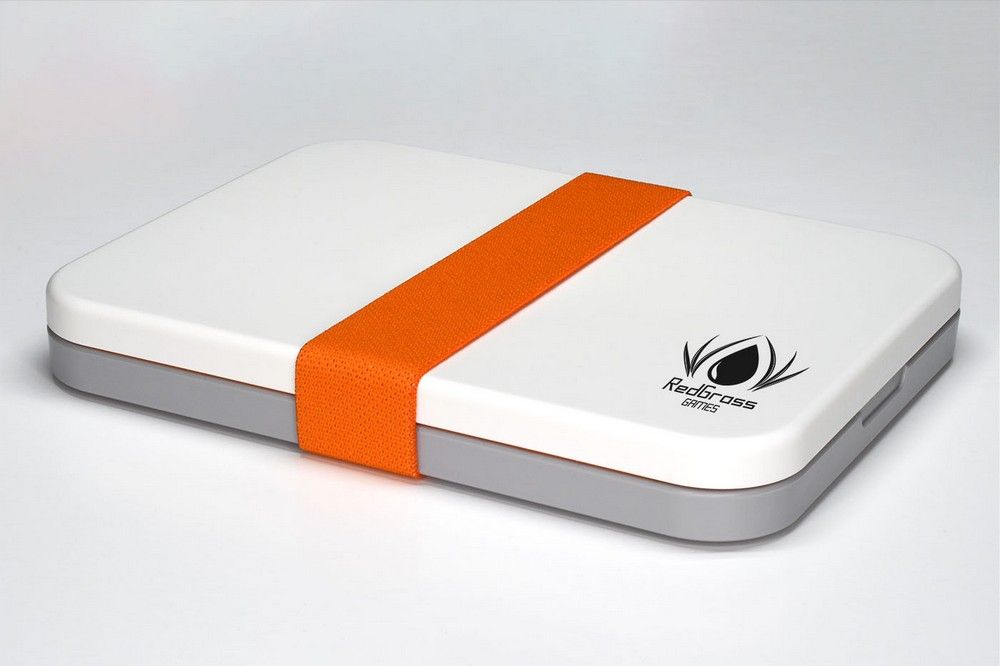
Sealed wet palette, Painter Lite size
Redgrass Games

Sealed wet palette with a dry middle tray, sponges and hydration paper
Golden Maple

Replacement hydration paper for a wet palette, 50 sheets
Golden Maple
6. A handle, so you stop touching the paint
A painting handle holds the model so your fingers stay off the wet paint. The best painting handle guide compares the Citadel, Redgrass, AK and Golden Maple handles.
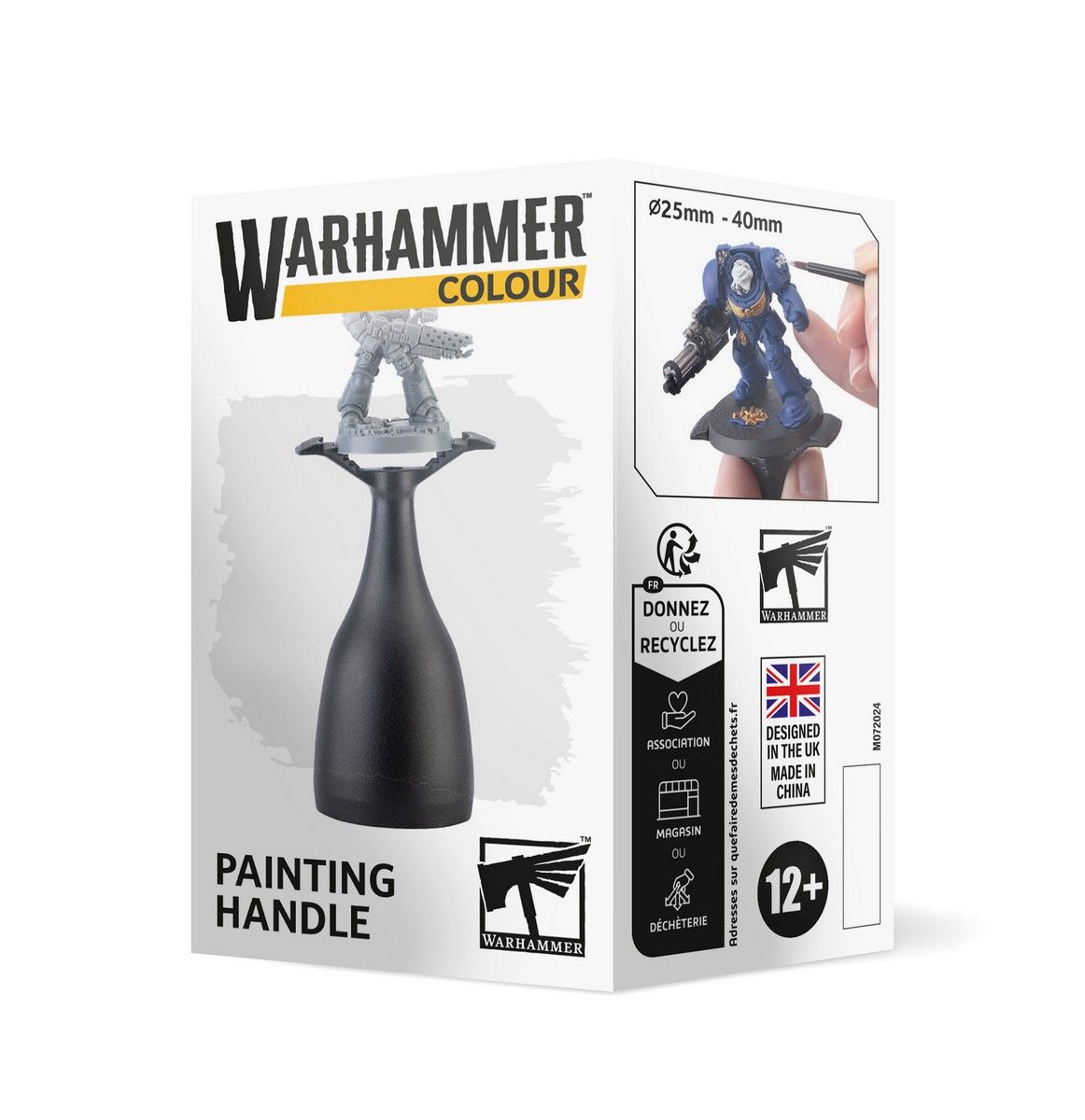
Spring-clamp painting handle, third-generation Warhammer Colour design
Citadel

360-degree rotatable handle with a finger rest, six setting caps and a detachable base
Golden Maple
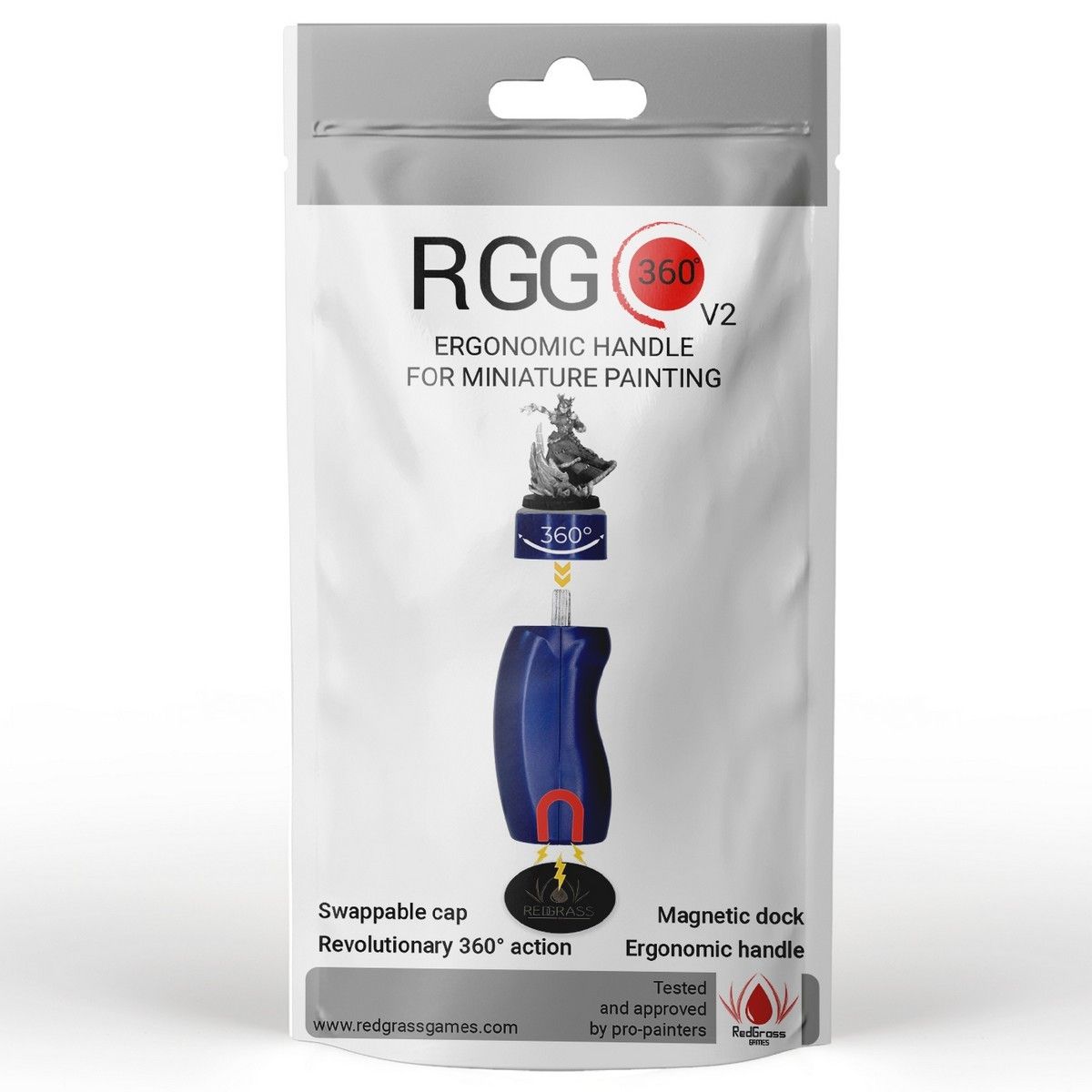
Ball-joint magnetic miniature holder, supplied with grey putty
Redgrass Games
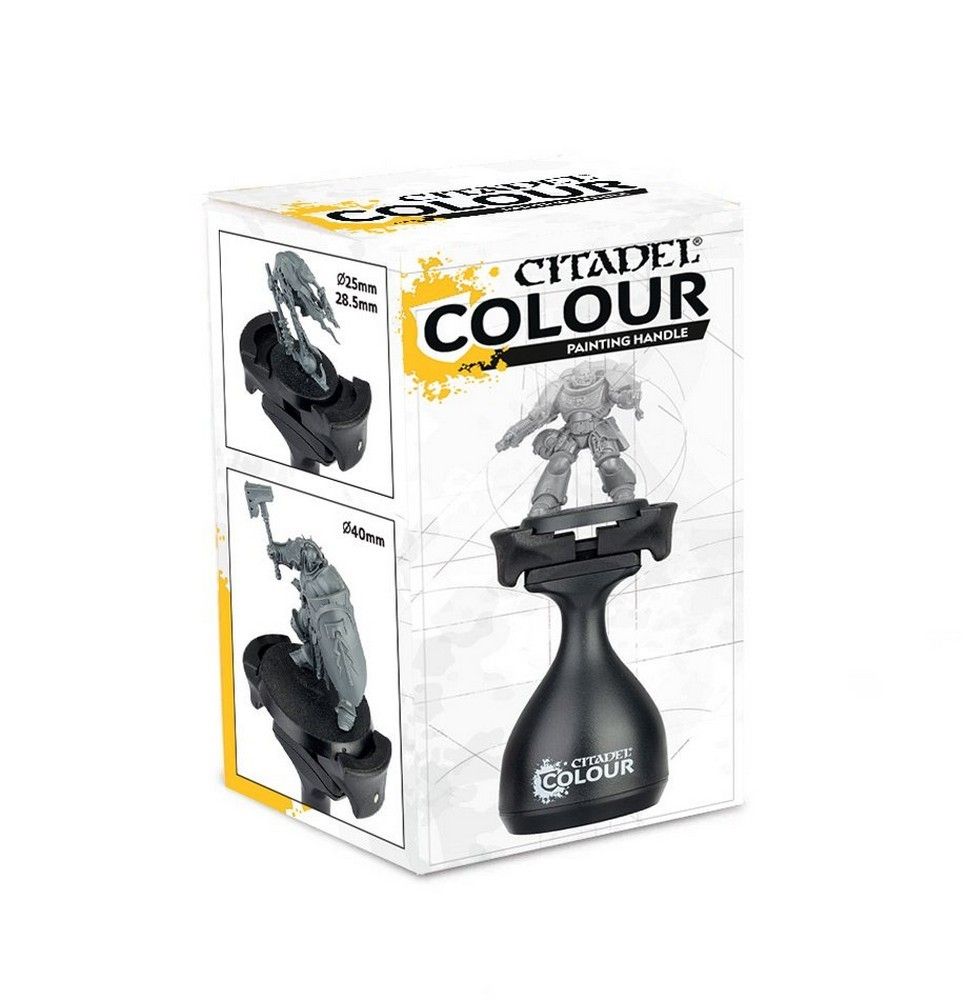
Spring-clamp handle for standard round bases
Citadel
7. A cutting mat, a knife and nippers
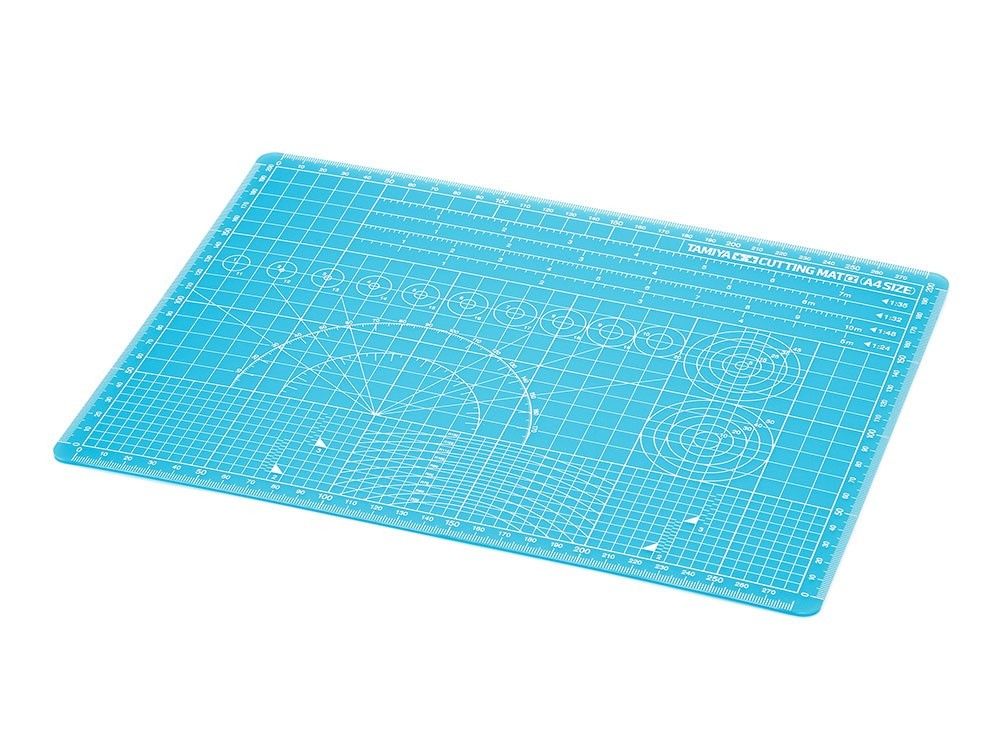
Assembly is a separate job from painting, so give it a separate patch of desk. A self-healing cutting mat protects the desk and keeps a knife from skidding, and it is also somewhere to stand a half-built model. Hobby mats come in A3, A4 and A5, and a mat with a printed grid helps square up a cut. Buy the size that fits the desk space you will actually clear; the hobby knife guide compares A3, A4 and A5 mats.
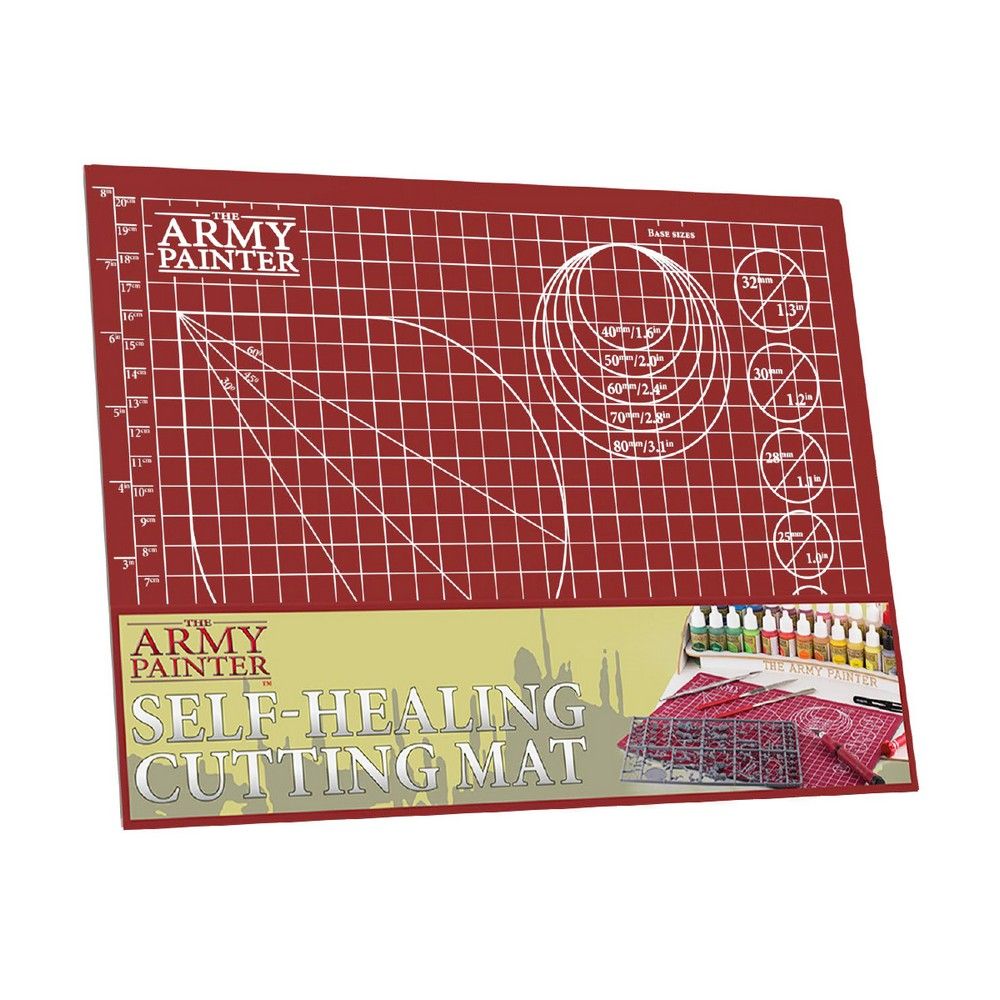
Self-healing cutting mat
Army Painter
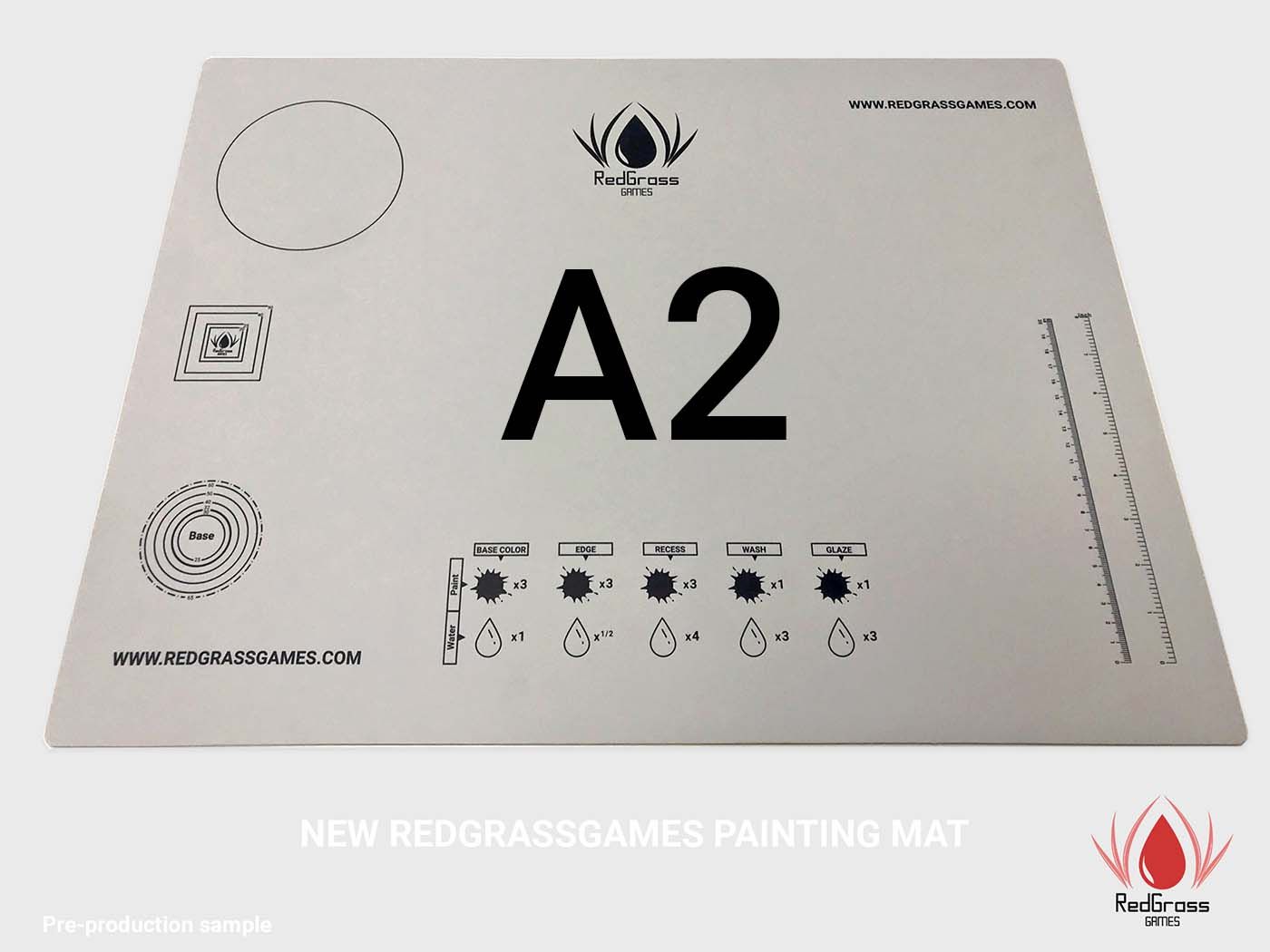
A3 cut-resistant desk mat for painting and cutting
Redgrass Games
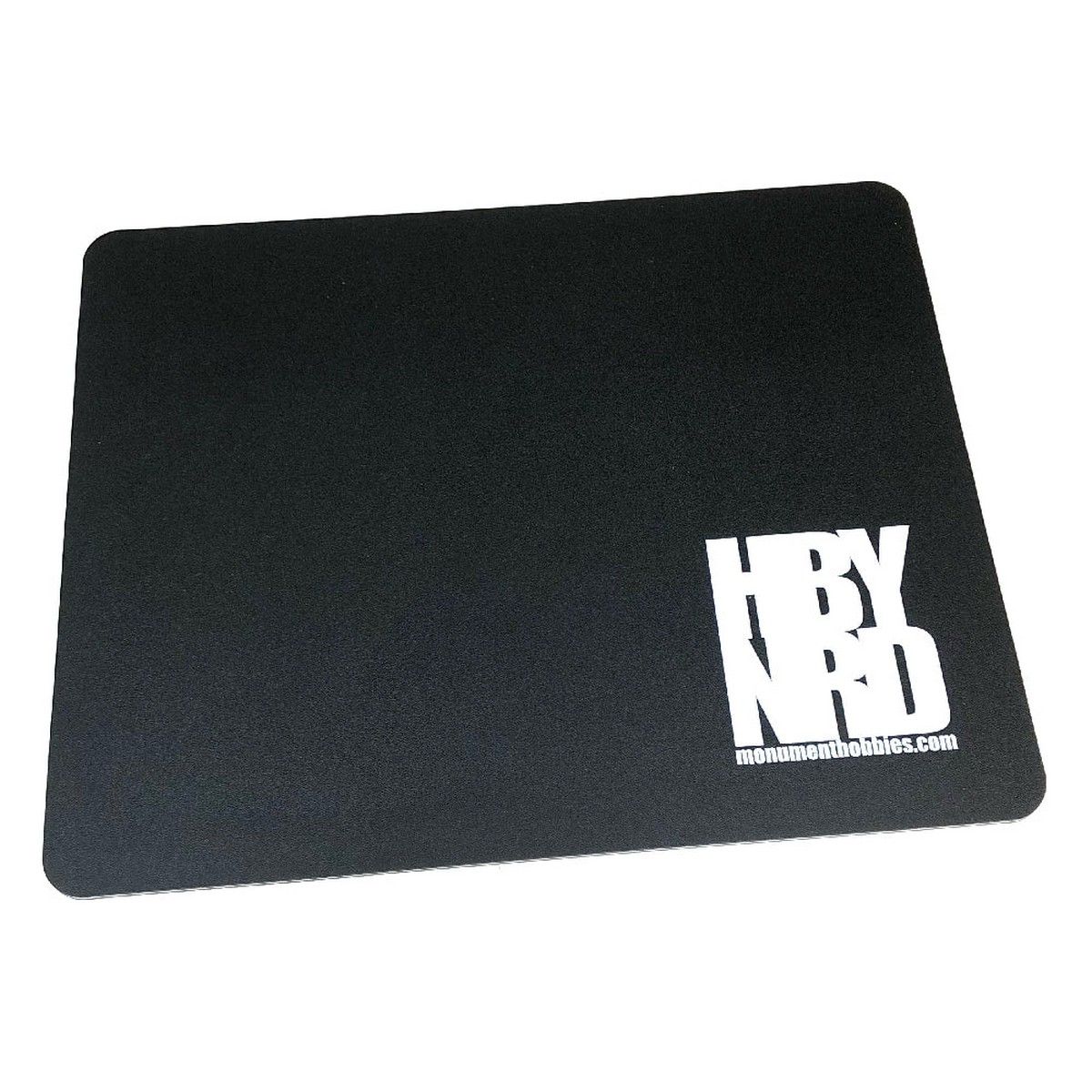
Self-healing cutting mat
Monument Hobbies
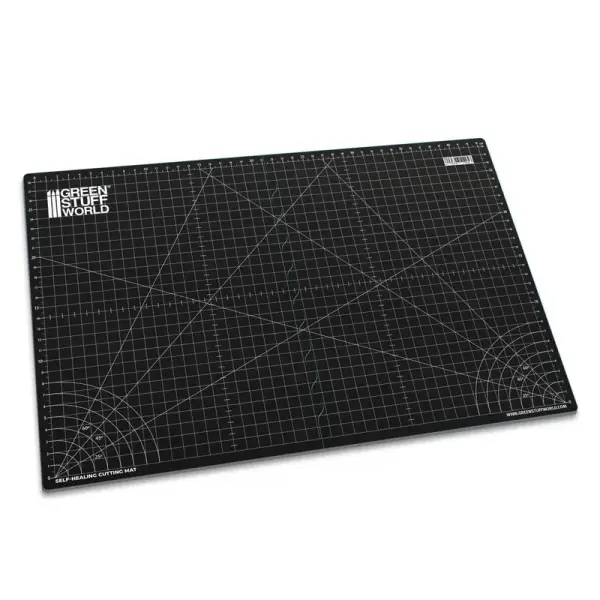
A3 self-healing cutting mat, black
Green Stuff World
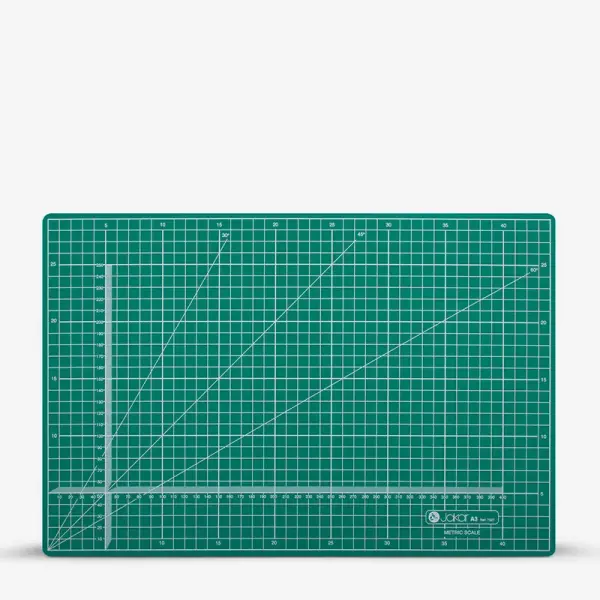
Five-ply self-healing PVC cutting mat, metric grid one side, imperial the other · A3, 3mm thick
Jakar
The knife and the nippers do the cutting. Our best hobby knife guide and best sprue cutters and nippers guide compare them.
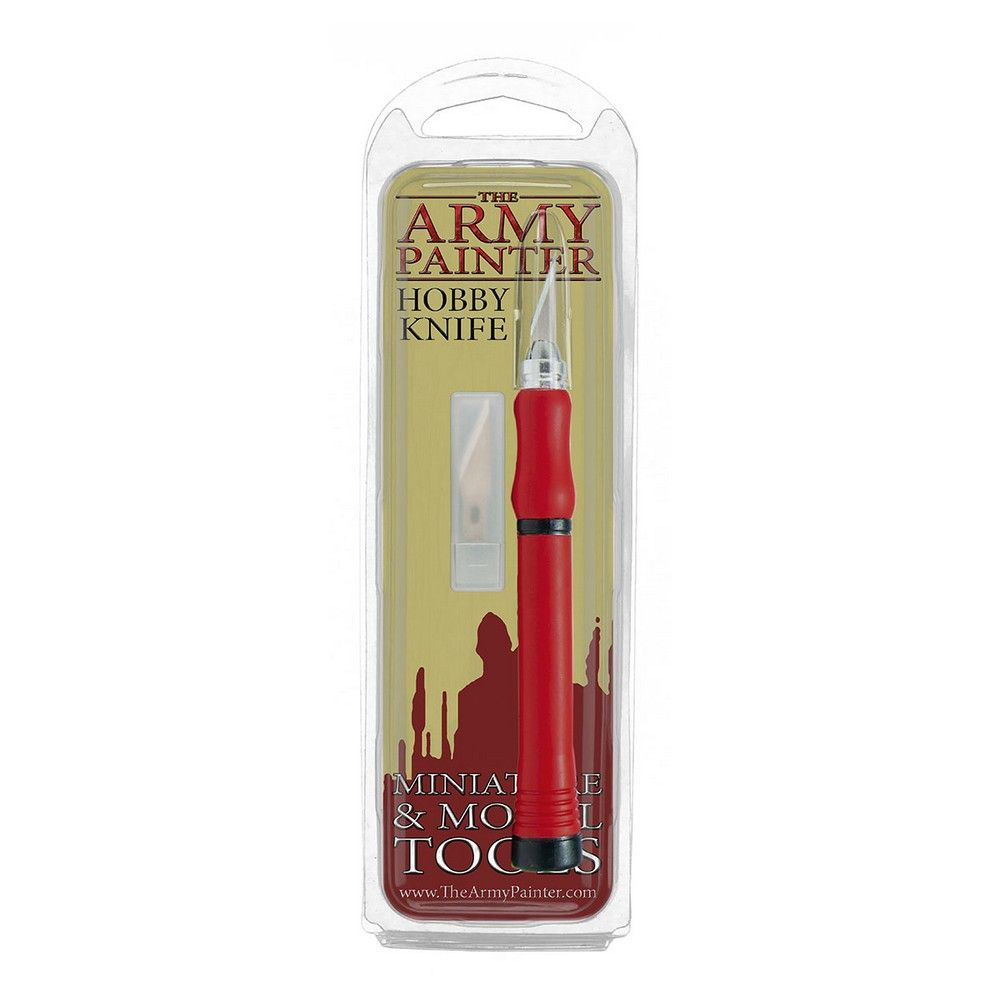
Hobby knife with a moulded grip
Army Painter

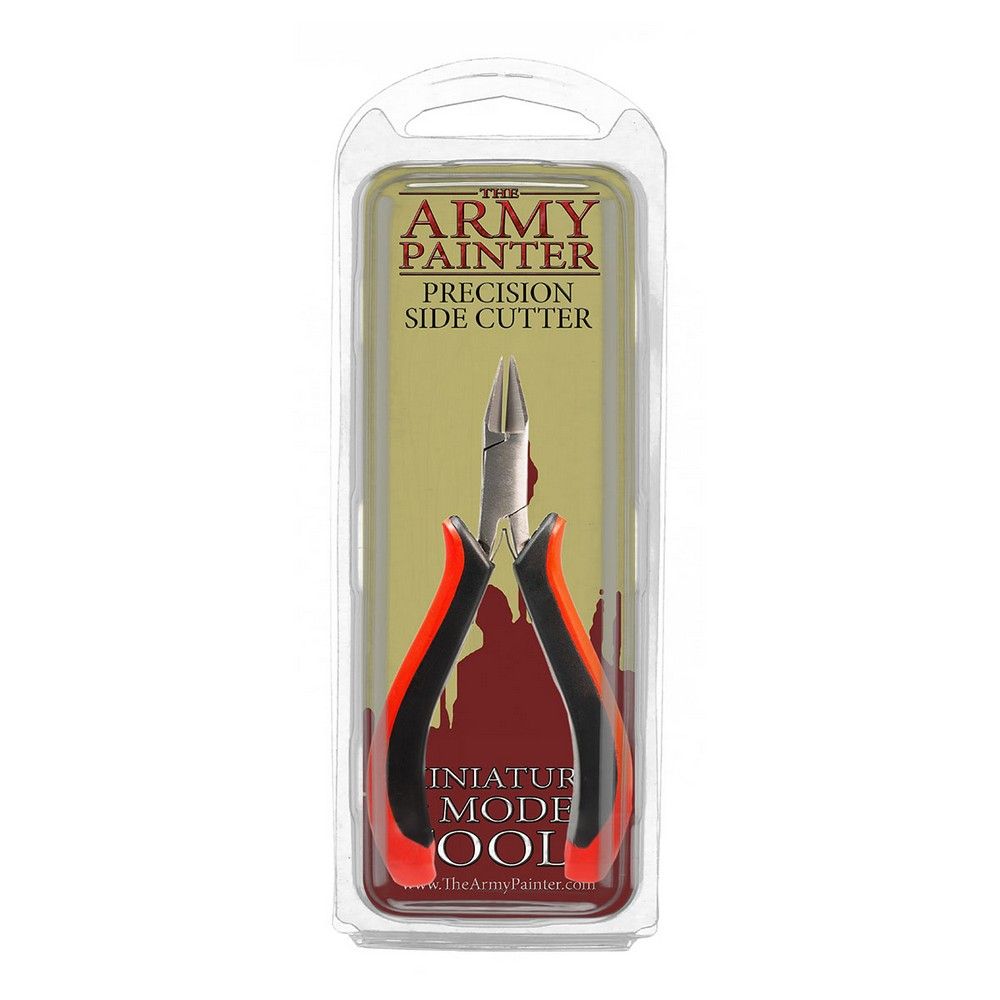
Precision side cutter for close sprue trimming
Army Painter

Fine sprue cutters for plastic kits
Citadel
8. Ventilation and the airbrush bench
Acrylic paint through a brush gives off little. Spray primer, lacquers and an airbrush are a different matter, because they put paint into the air. If you airbrush, read the airbrush spray booth guide, which covers extraction, where the hose goes and when a respirator matters. The machines themselves are in our best airbrush and best airbrush compressor guides, and the clean-up is in airbrush cleaning.
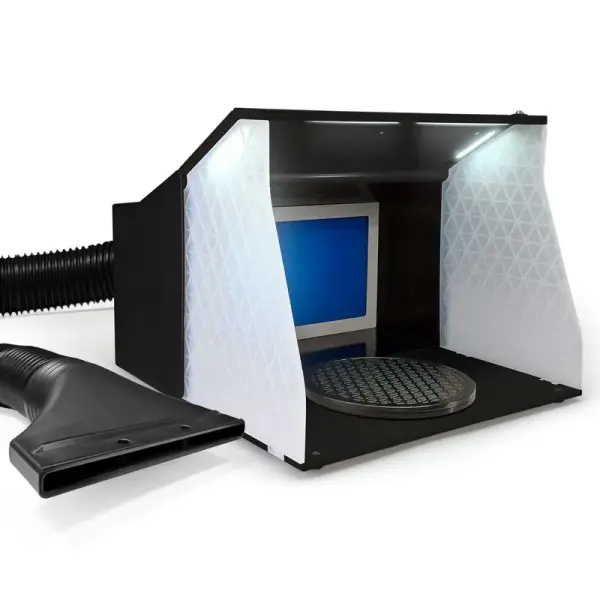
extraction booth
Green Stuff World

extraction booth · SB-88
Sparmax
If you also print resin, give the printer its own ventilated spot: our curing resin prints guide has a workspace and ventilation section. A filament printer's heat and fumes are covered in do you need a 3D printer enclosure.
What to buy first
Not everything on one weekend (our recommended tools list orders the rest by how soon you will want it). In this order:
- A lamp. It improves every session from the first.
- A wet palette and a handle. The cheapest ways to paint more cleanly.
- A paint rack. When you can no longer find the colour you want.
- A cutting mat and a brush holder. When the desk gets messy.
- A magnifier. When you cannot see the detail even in good light.
- A booth, and a respirator for sprays and solvents. The day you buy an airbrush.
The full shopping list for a first-time painter, brushes and paints included, is in the miniature painting starter kit guide, and how to start painting miniatures covers the first model.
Tips
- Set up where you can leave it. A station you have to rebuild each night gets used less.
- Light low and from the side away from your painting hand. Never from directly overhead.
- Keep wet and dry apart. Paint and brushes on one side, knife and glue on the other.
- Check the desk height. A chair that is too low pushes your shoulders up and tires your painting hand.
- Ventilate for anything sprayed. An open window beats nothing, and a booth beats a window.
Questions
What do I need for a miniature painting station?
A good lamp, a flat surface, somewhere to keep your paints, a wet palette, a place for brushes and tools, and fresh air. A handle, a cutting mat and a magnifier come next.
What is the best lighting for painting miniatures?
A task lamp with a high colour rendering index (90 or more) and a neutral-to-daylight colour temperature, placed low and to the side so your hand and head do not shadow the model.
Do I need ventilation for painting miniatures?
Brush painting with water-based acrylics needs little. Spray primer, lacquers and airbrushing put paint into the air, so use a booth or an open window, and a respirator for solvent products and regular airbrushing.
Where should I keep my paints?
On a rack within reach, with the labels facing you. Choose the rack by pot shape, since Citadel pots and dropper bottles need different holes.
How big should a hobby desk be?
Big enough for the palette, your paints and a cutting mat without moving anything between stages.
We compare what the makers and the shops we track publish, and their prices; we have not used these products ourselves.