
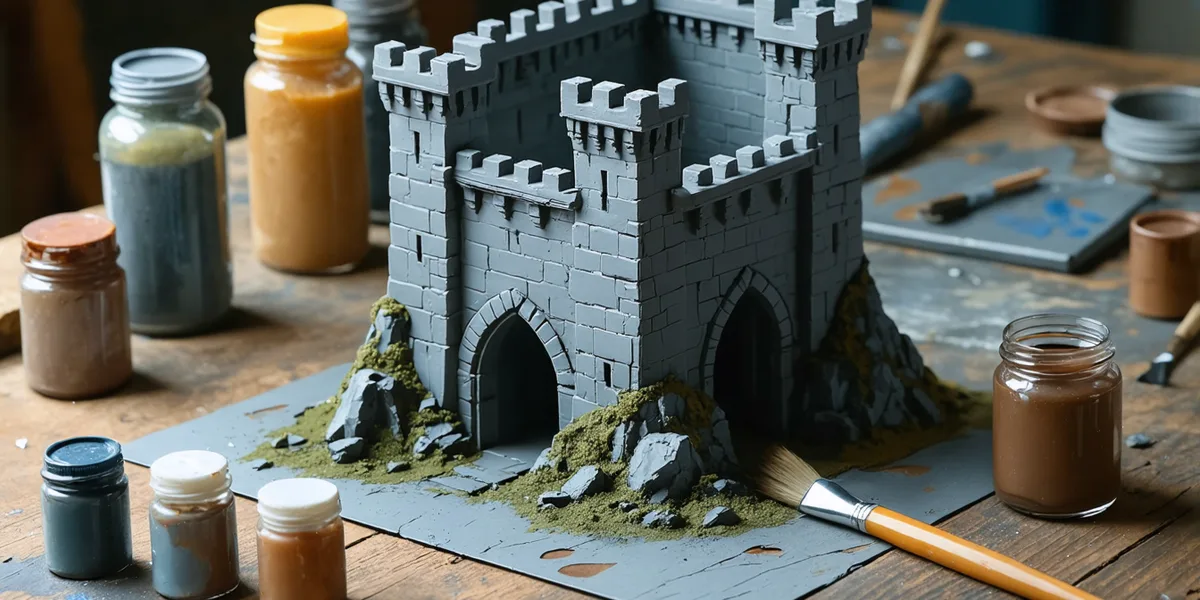
To paint a 3D print, remove the supports, sand or fill anything you can see, prime it, then paint it with the same acrylic paints you would use on a plastic miniature. That goes for PLA, PETG and resin alike. The primer matters most: acrylic paint sits on bare PLA and resin, but it chips off edges and corners that a primed print would hold. These primers are sold by the shops we track in all five markets:
Citadel (Warhammer Paints) · Spray
Vallejo · Surface Primer
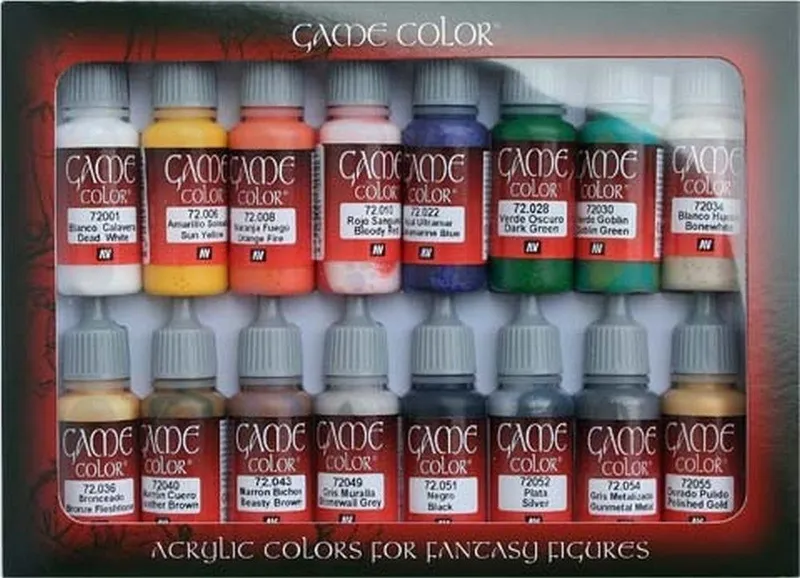
And a starter set of acrylics covers the colours for a first batch of terrain or miniatures:
Every primer we price is on the primers shelf, in your currency.
The short version
- Clean up: snip the supports, then sand or file the nubs they leave. A resin print must also be washed and fully cured first.
- Prime: a thin coat of spray or brush-on primer. Grey shows up any layer lines you missed; black or white sets the tone of the paint on top.
- Base coat: thinned acrylic paint in two thin coats rather than one thick one.
- Shade and highlight: a wash into the recesses, then a drybrush over the raised edges. On terrain these two steps do most of the work.
- Seal: a matt varnish on anything that will be handled.
Before you paint: clean the print
Paint shows every flaw underneath it, so the work starts before the brush. On a filament (FDM) print, cut the supports away with flush cutters or a hobby knife, then sand the marks they leave. Layer lines on a flat wall can be sanded back, or filled with a filler primer; our sanding, filling and smoothing guide covers both. Glue any multi-part print together before priming, so the joins get primed with the rest: see the best glue for PLA.
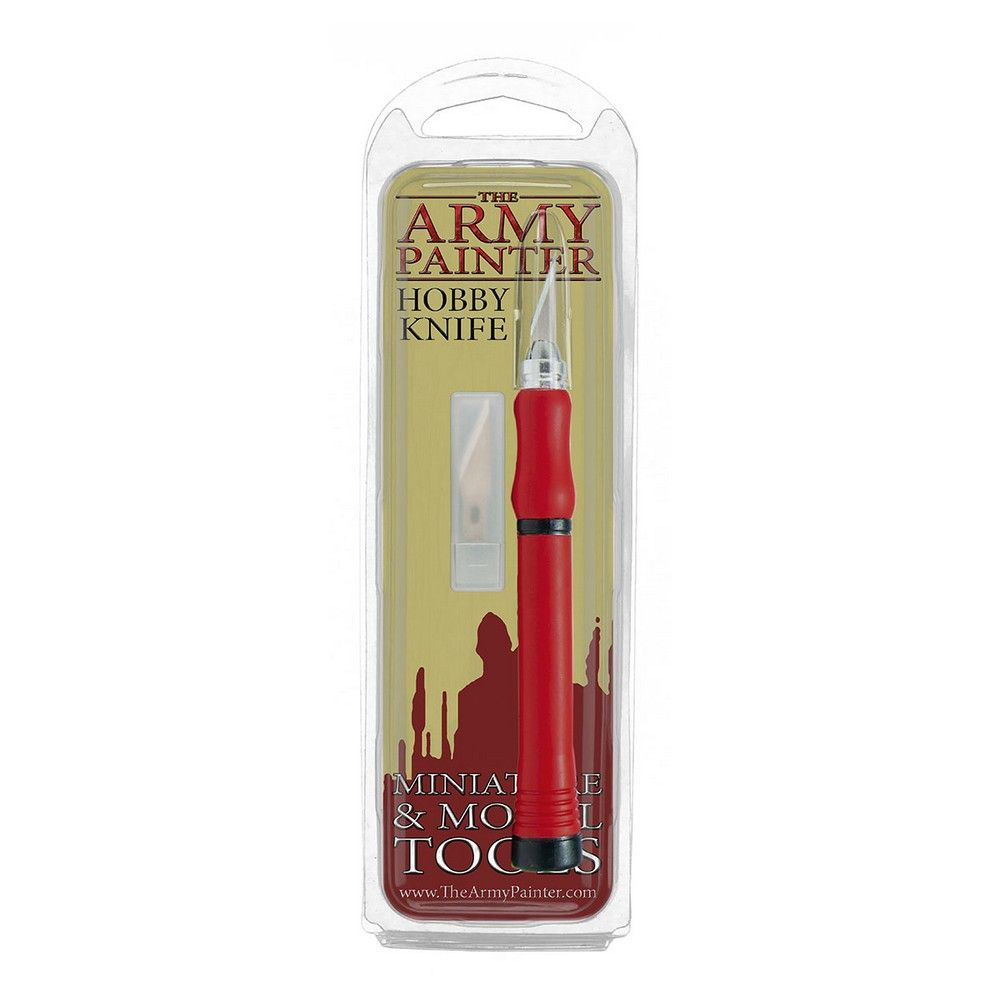
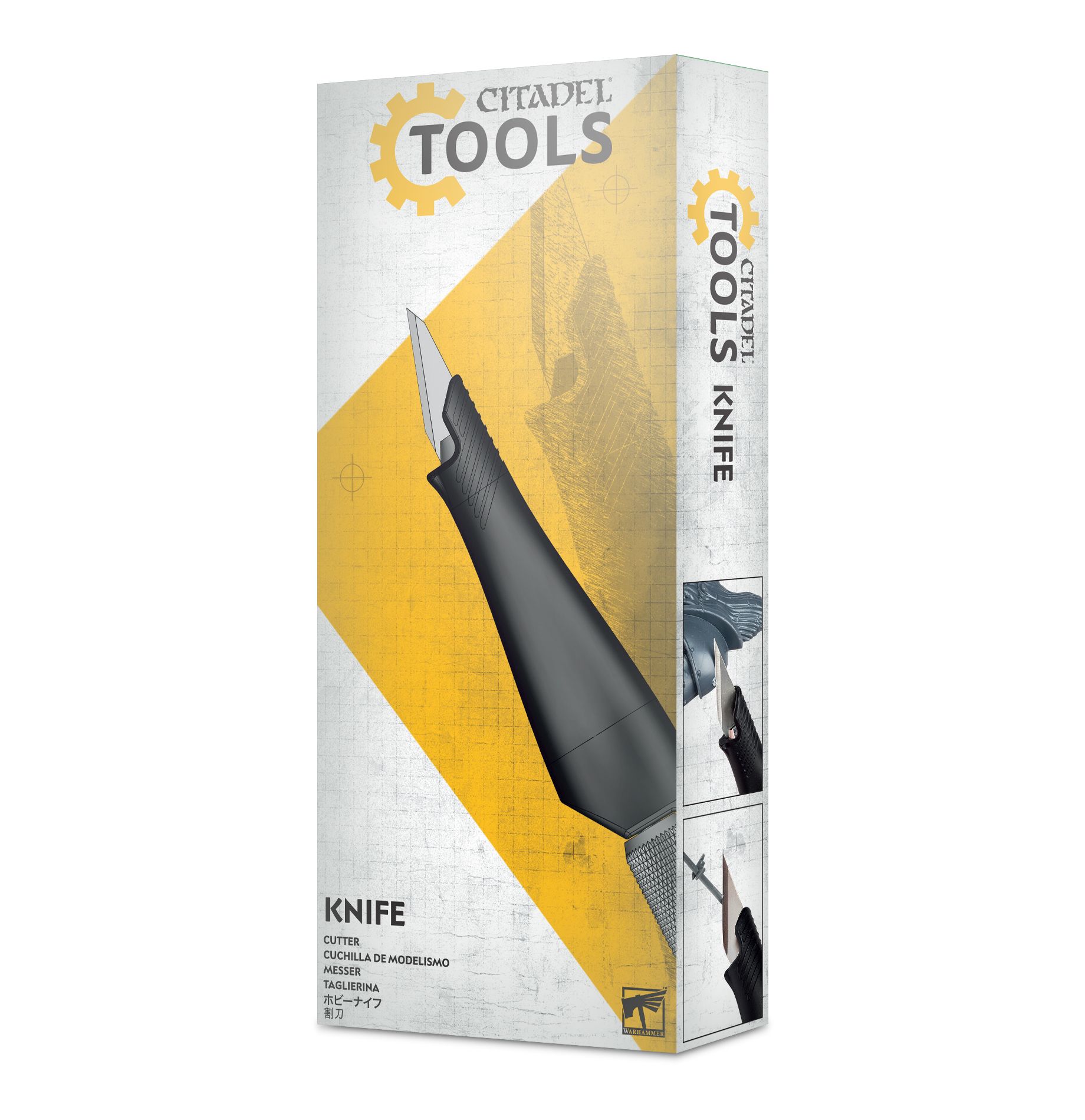
Flat-jawed cutters leave the smallest nub, and a hobby knife pares off what is left; our sprue cutter guide compares the cutters. These are the ones the shops we track sell; which appear depends on your region:
A resin print needs more. Uncured resin left on the surface stays tacky and stops primer from bonding, so the print has to be washed (in isopropyl alcohol, or water for water-washable resin) and then cured under UV before you paint it. Our curing guide explains the steps, and a wash and cure station does both in one unit:

Combined UV curing and IPA/water washing station for resin prints, current flagship model
ELEGOO
Wear gloves while handling uncured resin, and sand resin prints wet: resin dust should not be breathed in.
Best primer for 3D prints
Any primer made for plastic miniatures works on PLA, PETG and cured resin. The choice is about the size of the print and the colour you want to start from.
- Spray primer is the quickest way to cover terrain and big prints evenly. Spray in light passes from about 20 to 30 cm away, in a dry room that is not cold, and let it dry fully before painting.
- Brush-on primer suits a few miniatures at a time, painting indoors, or touching up a spot the spray missed. Two thin coats beat one thick one, which can fill fine detail.
- Filler primer (sometimes sold as a primer and surfacer) is thicker and fills fine layer lines and sanding scratches. Spray it, sand it smooth once dry, and repeat if the lines still show.
Grey is the safest first coat, because it shows up any layer lines or support marks you missed before the colour goes on. Black suits dark, metallic or grimy schemes; white or bone suits bright colours and contrast-style paints. Our spray primer guide compares the cans colour by colour, and brush-on vs spray primer covers the trade-off.
For brush-on priming, or for a filler coat that fills fine lines:
Army Painter
Vallejo · Surface Primer
Vallejo · Surface Primer
AK Interactive
PETG has a glossier surface than PLA, so a light scuff with fine sandpaper before priming helps the primer grip. Resin primes like any plastic kit once it is fully cured. ABS and ASA prime the same way as PLA.
Best paint for 3D prints
The best paint for 3D prints is the water-based acrylic made for miniatures and models: Citadel, Army Painter, Vallejo and the rest. It is made to go on thin and keep detail sharp, it cleans up with water, and it sticks well to a primed print. Any brand works on any print; our best paint for miniatures guide compares the main ranges.
Citadel (Warhammer Paints)
Citadel (Warhammer Paints)
Vallejo
Vallejo
Acrylic paint for 3D prints comes in two kinds. Model acrylics are finely ground and suit miniatures and detailed parts. Craft acrylics from an art shop are cheaper by volume and are fine for big terrain base coats, where a bit of lost detail does not matter. Both need a primed surface underneath.
Thin model paint with a little water until it flows off the brush without pooling: our thinning guide explains the consistency.
Painting PLA terrain: base, wash, drybrush
Terrain is the most common thing people paint from a filament printer, and three steps cover most of it:
- Base coat the whole piece in a mid tone. For a large building, a coloured spray primer does this step and priming at once.
- Wash a darker shade over it. It runs into the cracks and corners, which is where shadows would be (our washes and shades guide explains how). It also runs into layer lines and can make them more visible, so sand or fill any flat wall you want smooth before this step.
- Drybrush a lighter colour over the top: wipe most of the paint off the brush, then flick it across the surface so it only catches the raised edges. Our drybrushing guide shows the technique.
Citadel (Warhammer Paints)
Citadel (Warhammer Paints)
Citadel (Warhammer Paints)
Army Painter
Army Painter
Stone, metal and rust schemes all come from the same three steps with different colours. Finish the base with sand, tufts or static grass; see our basing guide.
Painting resin miniatures
A cured, primed resin miniature paints exactly like a plastic one from a box: base coat, shade, highlight, then the details. If you are new to that, start with how to start painting miniatures. Our how to 3D print miniatures guide covers the print side, from printer to cure.
Seal it with varnish
Paint on a print that gets handled, terrain above all, wears through on the edges first. A coat of matt varnish protects it and evens out the shine between different paints. Spray varnish suits terrain; brush-on suits miniatures and small parts. Our matt varnish guide compares them.

Matt protective topcoat, 18ml dropper
Army Painter
The shops we compare in this market do not sell a matt varnish yet, so the varnish cards are empty here. The primers and paints above are all sold in this market.
What a print costs
Paint and primer last for many prints; the material is what each new print uses up. Our 3D print cost calculator works out the material cost of a print from the spool and resin prices the shops in your market charge, and the filament temperature chart has the print settings for every common filament.
Questions
Do you need to prime 3D prints before painting?
Yes, for anything that will be handled. Acrylic paint goes onto bare PLA or resin but rubs off edges and corners easily. A thin coat of primer gives the paint something to grip.
What is the best primer for 3D prints?
Any primer made for plastic miniatures. Spray primer is quickest for terrain and large prints, brush-on suits a few miniatures, and a filler primer fills fine layer lines before painting.
What paint do you use on 3D prints?
Water-based acrylic model paint, the same as on plastic miniatures. Craft acrylics are fine for big terrain base coats.
Can you paint PLA with acrylic paint?
Yes. Clean and prime the print first, then use thin coats. The primer is what stops the paint chipping.
How do you paint resin prints?
Wash and fully cure the print first, because uncured resin stays tacky and stops primer bonding. Then prime and paint it like any plastic miniature.
How do you hide layer lines before painting?
Sand them back, or spray a filler primer, sand it smooth and repeat. On rough textured terrain such as stonework, the texture disguises faint lines; on a flat surface a wash settles into them, so smooth those first.
We describe the conventional method and compare the prices at the shops we track; we have not painted these products ourselves.